
Plastic Surgery Retractors
Yancoskie Retractor: Uses, Designs & Buying Guide
작성자: Saad Shahid · 업데이트 · 7 분 소요

Learn about Yancoskie retractor uses, abdominal and coronal lift designs, positioning, sterilization, and wholesale ordering from Retractor Manufacturer.
이 가이드에서 다루는 견인기: Yancoskie 복부성형술용 견인기, Yancoskie 관상절개 거상 견인기. 모든 수술용 견인기 보기.
A Yancoskie retractor is a handheld surgical instrument used to elevate tissue flaps and maintain exposure during plastic and reconstructive surgery. Its rake-style working end engages tissue while the surgeon or assistant applies manual counter-traction through the handle. Retractor Maker offers an abdominoplasty model for abdominal flap elevation and a coronal lift model for scalp and forehead flap retraction. Choosing between them starts with the operative site, intended tissue plane and exposure requirements, rather than the instrument name alone.
What is a Yancoskie retractor?
The Yancoskie retractor is a manually controlled retractor, not a self-retaining device. An operator holds the instrument and adjusts the direction and amount of traction as exposure changes. Both catalogue models are single-ended instruments with a wide rake head and a flat handle. Their sharp prongs engage tissue for flap elevation, while the handle gives the operator a means of maintaining counter-traction.
The abdominal and coronal lift designs serve different anatomical regions. The abdominal model helps expose the rectus sheath beneath an elevated abdominal skin flap. The coronal lift model retracts scalp and forehead flaps to support exposure of the calvarium. For OR teams, identifying the complete product name helps prevent confusion when assembling procedure sets or responding to an intraoperative instrument request.
What is a Yancoskie retractor used for?
Yancoskie retractors support flap elevation and surgical exposure in abdominal contouring and facial plastic surgery. The appropriate model depends on the procedure and the tissue being retracted. They provide counter-traction rather than cutting or dissecting tissue, and their use should follow the operating surgeon's plan for the exposure.
- Abdominoplasty and full tummy tuck: the abdominal model elevates large abdominal skin flaps and supports fascial exposure.
- Panniculectomy and related body contouring: the abdominal model supports manual counter-traction across abdominal tissue planes.
- Coronal brow lift and forehead rejuvenation: the coronal lift model elevates and retracts scalp and forehead flaps.
- Craniofacial surgery and fronto-orbital reconstruction: the coronal lift model supports subgaleal and periosteal flap elevation and exposure of the calvarium.
Plastic surgeons and surgical assistants use these instruments as part of a broader exposure strategy. The retractor does not determine the dissection plane or replace direct assessment of tissue condition. During planning, the team should distinguish the need for abdominal fascial exposure from the need for scalp or forehead flap retraction.
What are the main design features and parts?
The working head, sharp prongs and flat handle are the principal functional parts. On the abdominoplasty model, a wide abdominal rake interface has six sharp in-line prongs that distribute traction across abdominal tissue planes. Its heavy-duty ergonomic flat handle provides leverage for sustained manual pulling.
The coronal lift model has a wide rake head with sharp counterbalance prongs that grip dense galeal tissue. An elongated flat handle allows sustained manual counter-traction. The catalogue does not specify its prong count, so buyers should not assume that it matches the abdominal version.
Both models are handcrafted from Premium Grade AISI 304/316 Stainless Steel (Non-Magnetic) and have an anti-glare satin matte finish. These shared features do not make the working ends interchangeable. The tissue interface remains the key distinction when comparing the instruments. The listed material wording also does not establish MRI safety or authorize use in a magnetic resonance environment.
Which Yancoskie retractor types are available?
Retractor Maker lists an abdominoplasty variant and a coronal lift variant. Compare the working head and intended operative site before selecting a model. The table summarizes the catalogue differences without assuming unlisted dimensions or additional configurations.
| Product name | Design | Typical use |
|---|---|---|
| Yancoskie Abdominoplasty Retractor | Single-ended; wide abdominal rake interface with six sharp in-line prongs; heavy-duty ergonomic flat handle | Elevation of large abdominal skin flaps and rectus sheath exposure during abdominoplasty, panniculectomy and body contouring |
| Yancoskie Coronal Lift Retractor | Single-ended; wide rake head with sharp counterbalance prongs; elongated flat handle | Scalp and forehead flap retraction during coronal brow lifts, forehead rejuvenation and craniofacial surgery |
Neither listing provides overall length, head width or prong length. If those measurements affect tray fit, surgeon preference or procurement approval, request confirmation before ordering. A purchasing specification should name the required model and separate confirmed catalogue features from any dimensions awaiting verification.
How is a Yancoskie retractor positioned?
A trained surgical operator positions the retractor under direct visualization and applies controlled manual traction to obtain the required exposure. Exact placement depends on the procedure, flap and tissue plane. Because the working end has sharp prongs, engagement and release require care to avoid unintended injury.
Before use, the team should confirm the correct variant, sterile status and instrument integrity. The surgeon identifies the tissue suitable for engagement and directs the assistant's traction. Force should be limited to what is needed for exposure, with ongoing attention to tissue tension and the appearance of the flap.
During sustained retraction, the surgeon and assistant should communicate about changes in direction, visibility or tissue condition. Reduce traction before repositioning or releasing the instrument rather than dragging engaged prongs across tissue. This overview is not a substitute for surgical training, product instructions or procedure-specific judgment.
How should it be cleaned and sterilized?
Both Yancoskie models are supplied non-sterile and are fully autoclavable. Each comes in individual protective packaging, which should not be treated as sterile packaging. Instruments must undergo the required preparation and sterilization before entering the sterile field, following manufacturer instructions and the facility's validated reprocessing procedures.
Cleaning must precede sterilization. Remove contamination using an approved process and inspect the rake head, spaces around the prongs and handle for residual soil or damage. Sharp working ends require careful handling during transport, cleaning and inspection. Instruments with bent, damaged or otherwise compromised prongs should be removed from service for assessment.
The catalogue does not provide a sterilization cycle, detergent specification or drying parameters. Obtain the applicable reprocessing instructions rather than selecting settings from the material description alone. After processing, protect the working end and maintain the integrity of the sterile barrier during storage and handling according to facility policy.
How do you choose and order from Retractor Maker?
Choose the model by operative site first, then verify the specifications needed by the surgeon and purchasing team. The abdominoplasty model addresses abdominal flap elevation; the coronal lift model addresses scalp and forehead flap retraction. Confirm any unlisted measurements and obtain reprocessing information before finalizing a clinical purchasing decision.
Retractor Maker manufactures these instruments in Sialkot, Pakistan, and offers wholesale, OEM and distributor orders with worldwide shipping. Hospitals, cosmetic clinics, body contouring centers and distributors can request a quote. Include the complete product name, required quantity, destination and any OEM requirements so the enquiry clearly identifies the intended instrument.
Before issuing a purchase order, confirm the agreed specification, packaging, supporting documentation, delivery arrangements and any requested customization. OEM availability does not mean every proposed modification is already offered. Keeping clinical requirements separate from commercial requirements helps both the OR team and procurement staff review the same product accurately.
임상 사용 시 유의사항: 이 가이드는 수술팀 및 병원 구매 담당자를 위한 자료입니다. 임상 사용 전에는 반드시 제조사의 사용 설명서 (IFU)와 해당 병원의 멸균 지침을 준수하십시오.
자주 묻는 질문
What is a Yancoskie retractor used for?
A Yancoskie retractor is used for manual flap elevation and tissue retraction in plastic and reconstructive surgery. The abdominoplasty model supports abdominal skin flap elevation and rectus sheath exposure. The coronal lift model retracts scalp and forehead flaps during procedures such as coronal brow lifts and craniofacial surgery.
What is the difference between abdominal and coronal Yancoskie retractors?
The main difference is the working-head design and intended anatomical site. The abdominal model has six sharp in-line prongs and a heavy-duty ergonomic flat handle for abdominal flap traction. The coronal lift model has sharp counterbalance prongs and an elongated flat handle for scalp and forehead flap retraction.
Is a Yancoskie retractor self-retaining?
A Yancoskie retractor is handheld, not self-retaining. A surgeon or surgical assistant maintains manual counter-traction and adjusts it as exposure requirements change. Both Retractor Maker variants use a single-ended design with a flat handle, so sustained retraction requires operator control and communication with the surgical team.
Can a Yancoskie retractor be autoclaved?
Both listed Yancoskie retractor models are fully autoclavable. They are supplied non-sterile and require appropriate preparation before surgical use. Follow the applicable manufacturer reprocessing instructions and the facility's validated procedures; the catalogue does not specify cycle settings, and individual protective packaging does not establish sterility.
What sizes of Yancoskie retractor are available?
The supplied catalogue listings do not specify Yancoskie retractor dimensions or size options. They identify an abdominoplasty model and a coronal lift model with different working-head designs. Request confirmation of overall length, head width and relevant prong dimensions from Retractor Maker before using those measurements in a purchasing specification.
Where can hospitals buy Yancoskie retractors wholesale?
Hospitals can request wholesale Yancoskie retractor quotes from Retractor Maker in Sialkot, Pakistan. The manufacturer offers the abdominoplasty and coronal lift models for wholesale, OEM and distributor orders with worldwide shipping. Provide the product name, quantity, delivery destination and any specification or documentation requirements when requesting a quote.
작성자 소개
Saad Shahid · 영업 및 마케팅 책임자
사드 샤히드는 2023년 파키스탄 시알코트에서 설립된 Retractor Maker의 창립자이자 영업 및 마케팅 책임자입니다. 또한 1989년에 설립된 가족 경영 수술 기구 업체인 Hospitech Traders에서 아버지와 함께 일하고 있습니다.
관련 블로그 및 가이드

관련 견인기

Brunner 견인기
부터 $54.00
Weitlaner 견인기
부터 $94.00

광섬유 조명 일체형 링 유방 견인기
$339
광폭 자가유지형 견인기
$139
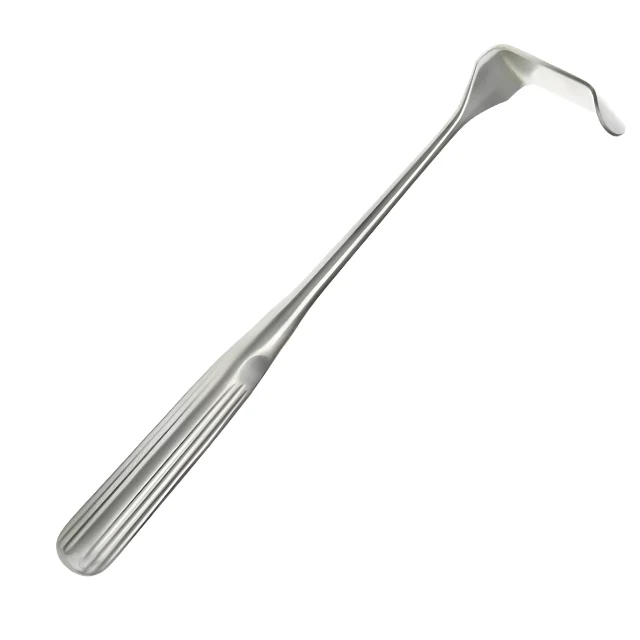
Sauerbruch 견인기
부터 $69.00
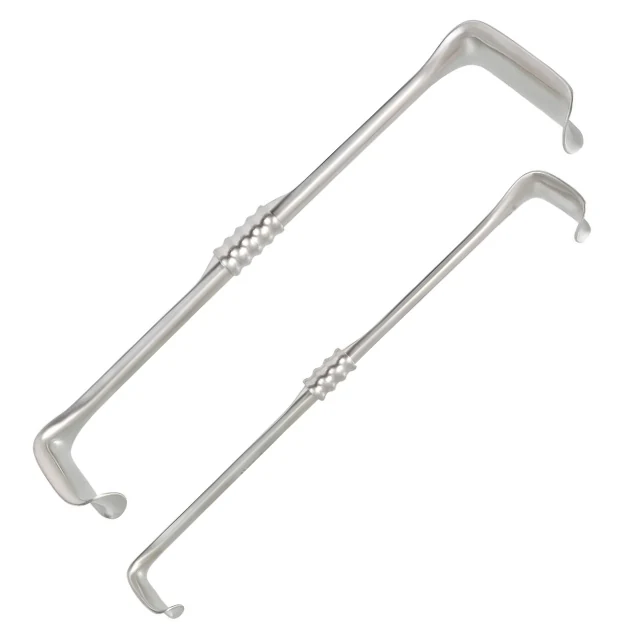
Richardson Eastman 견인기
부터 $54.00
수술용 견인기 또는 구성품이 필요하신가요?
제품, 구성, 수량 및 배송 국가를 포함하여 필요한 사항을 알려주세요. Retractor Maker에서 공급 가능 여부, 사양 및 가격을 안내해 드립니다.
견적 요청