
General Surgery Retractors
Kocher Retractor: Uses, Design & Selection Guide
작성자: Saad Shahid · 업데이트 · 7 분 소요
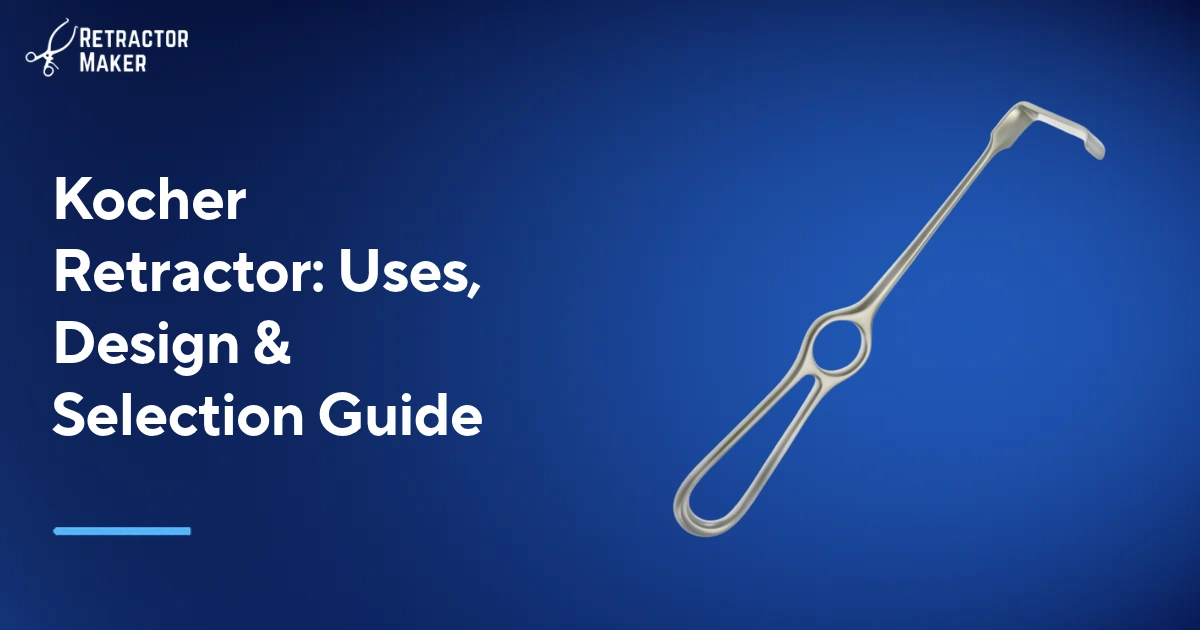
Learn about Kocher retractor uses, blade design, handle options, safe positioning, sterilization, and wholesale purchasing from Retractor Manufacturer.
이 가이드에서 다루는 견인기: Kocher 견인기, Kocher Langenbeck 견인기. 모든 수술용 견인기 보기.
A kocher retractor is a handheld surgical instrument that retracts muscle, fascia, and deep wound margins to expose an operative area. It relies on manually maintained traction rather than a self-retaining mechanism. Retractor Maker supplies the Kocher Retractor and Kocher Langenbeck Retractor for surgical teams, hospitals, and distributors. Their right-angled blades and retaining lips support tissue holding, while their handle configurations differ. Selecting between them requires attention to the intended tissue plane, access required, and the operator’s preferred grip.
What is a Kocher retractor?
A Kocher retractor is a manual exposure instrument, not a tissue-clamping instrument. Its blade holds tissue away from the surgical field while a surgeon or assistant controls the direction and amount of traction. The term should not be confused with a Kocher clamp, which serves a different purpose. When ordering, use the full product name to distinguish the required retractor from other instruments bearing the Kocher name.
The catalogue lists two related instruments: the Kocher Retractor and the Kocher Langenbeck Retractor. Both support deep soft-tissue exposure through manual retraction. Their shared role does not make them interchangeable for every task; blade configuration and handle preference should be reviewed against the operative requirement. Neither catalogue description establishes a universal choice for all incisions or anatomical regions.
What is a Kocher retractor used for?
Kocher retractors are used to expose deeper tissues during thyroid, general, and orthopedic surgery. The Kocher Langenbeck Retractor is also listed for plastic surgery. Their purpose is to displace tissue and maintain a view of the working area, rather than cut, grasp, or dissect it. Suitability depends on the anatomy, depth of exposure, and the surgeon’s assessment.
- Thyroid surgery: thyroid lobe elevation with the Kocher Retractor and thyroid retraction with the Kocher Langenbeck Retractor.
- General surgery: appendectomy with either instrument; adult laparotomy with the Kocher Retractor and hernia procedures with the Kocher Langenbeck Retractor.
- Orthopedic surgery: joint exposure, muscle holding, and access during pelvic or hip procedures.
- Soft-tissue work: deep fascial retraction with the Kocher Retractor and tendon retraction with the Kocher Langenbeck Retractor.
These applications describe catalogue uses, not a procedure-specific operating protocol. A retractor that provides adequate exposure in one tissue plane may be unsuitable in another. Surgeons should select the instrument and traction direction with nearby nerves, vessels, and other vulnerable structures in mind.
What are the blade, handle, and material features?
The right-angled blade and retaining lip are the principal tissue-holding features. The Kocher Retractor has a flat, elongated right-angled blade with a curved retaining lip to help prevent tissue creep. The Kocher Langenbeck Retractor has an elongated, right-angled blade ending in a downward retaining lip. These features help hold tissue, but they do not remove the need to monitor pressure and placement.
Handle configuration and manual control
The Kocher Retractor has a fixed handle with an integrated finger ring for manual leverage. The Kocher Langenbeck Retractor is offered with Finger Ring Handle and Hollow Grip Handle options, along with different blade configurations. Grip selection should support controlled holding without encouraging excessive traction. The assistant’s position and available working space also affect how comfortably exposure can be maintained.
Material and surface finish
Both products are made from Premium Grade AISI 304/316 Stainless Steel (Non-Magnetic). The Kocher Retractor has a reflection-free satin matte finish; the Kocher Langenbeck Retractor has an anti-glare satin matte finish. The catalogue does not provide dimensional specifications, so buyers should request confirmation of the required blade and overall dimensions before ordering.
Kocher vs. Kocher Langenbeck: which variant fits?
The main catalogue differences are the retaining-lip description and available handles. The Kocher Retractor specifies an integrated finger ring, while the Kocher Langenbeck Retractor offers a choice of handle styles and blade configurations. Compare these documented features rather than assuming that similar names indicate identical geometry.
| Product name | Design | Typical uses listed in the catalogue |
|---|---|---|
| Kocher Retractor | Flat, elongated right-angled blade with curved retaining lip; fixed handle with integrated finger ring. | Thyroid lobe elevation, appendectomy, adult laparotomy, deep fascial retraction, extremity muscle holding, orthopedic joint exposure, and pelvic or hip muscular displacement. |
| Kocher Langenbeck Retractor | Elongated right-angled blade with downward retaining lip; Finger Ring Handle or Hollow Grip Handle options and different blade configurations. | Thyroid and tendon retraction, appendectomy, hernia procedures, orthopedic joint access, deep muscular holding, and exposure during pelvic or hip reconstruction. |
For an existing instrument set, compare the requested configuration with the team’s current retractor and documented requirements. If a particular blade dimension or handle style is essential, include it in the quotation request. Do not infer an available size range from the product name alone.
How is a Kocher retractor positioned and held?
A Kocher retractor should be positioned by trained surgical personnel under direct visualization, using controlled traction appropriate to the tissue. The blade should engage the intended tissue plane without trapping vulnerable structures. These are general handling principles; the operative technique and local clinical protocols determine the specific placement.
- Inspect the instrument before use for damage, surface defects, and contamination.
- Confirm that the selected blade suits the exposure required.
- Place the blade under direct visualization and check the tissue contact.
- Apply only the traction needed for exposure, coordinating with the operating surgeon.
- Reassess tissue pressure and blade position as the operative field changes.
- Release traction before repositioning rather than dragging the blade across tissue.
The retaining lip helps hold tissue but is not a substitute for active control. Avoid using increased force to compensate for poor placement. If exposure is inadequate, the team should reassess the position, traction direction, or instrument selection.
How should a Kocher retractor be cleaned and sterilized?
Both catalogue products are supplied non-sterile in individual protective packaging and are fully autoclavable. Protective packaging does not establish sterility. Before clinical use, process the instrument according to its applicable instructions for use and the hospital’s validated reprocessing procedures.
Cleaning must precede sterilization. Follow approved procedures for handling used instruments, removing soil, cleaning, rinsing, drying, and inspection. Give attention to the blade-to-shaft transition, retaining lip, and handle features where residue may remain. Remove damaged instruments from service for assessment rather than returning them directly to a surgical set.
The catalogue does not specify an autoclave cycle, detergent, or sterilization temperature. Obtain the applicable reprocessing instructions rather than selecting parameters from a general product description. After processing, maintain package integrity and storage conditions under facility policy.
How do you choose and buy from Retractor Maker?
Choose by clinical task, blade configuration, and handle preference, then confirm the specifications before purchase. Retractor Maker manufactures both instruments in Sialkot, Pakistan, and offers wholesale, OEM, and distributor orders with worldwide shipping. A quotation request should identify the exact product name rather than only the general term Kocher retractor.
Include the intended specialty, requested quantities, required dimensions, preferred handle, and delivery destination. For the Kocher Langenbeck Retractor, specify the preferred blade configuration and handle option. Ask for confirmation of specifications, reprocessing documentation, packaging, and order terms before approval. For OEM requirements, describe the requested changes and have feasibility confirmed rather than assuming every customization is available.
임상 사용 시 유의사항: 이 가이드는 수술팀 및 병원 구매 담당자를 위한 자료입니다. 임상 사용 전에는 반드시 제조사의 사용 설명서 (IFU)와 해당 병원의 멸균 지침을 준수하십시오.
자주 묻는 질문
What is a Kocher retractor used for?
A Kocher retractor is used to hold muscle, fascia, and deep wound margins away from a surgical field. The Kocher Retractor catalogue lists thyroid lobe elevation, appendectomy, adult laparotomy, deep fascial retraction, orthopedic joint exposure, and pelvic or hip muscular displacement. The operating team selects the instrument according to anatomy and exposure needs.
What is the difference between a Kocher and Kocher Langenbeck retractor?
The catalogue distinguishes these retractors by their blade-lip descriptions and handle configurations. The Kocher Retractor has a curved retaining lip and a fixed handle with an integrated finger ring. The Kocher Langenbeck Retractor has a downward retaining lip, Finger Ring Handle and Hollow Grip Handle options, and different blade configurations.
Is a Kocher retractor the same as a Kocher clamp?
A Kocher retractor is not the same instrument as a Kocher clamp. The retractor holds tissue away from the operative area through manual traction, while a clamp grasps and holds tissue between jaws. Use the complete instrument name when preparing a surgical set or purchase request to avoid confusion.
Can a Kocher retractor be autoclaved?
Both Kocher retractor products listed by Retractor Maker are fully autoclavable. They are supplied non-sterile in individual protective packaging and require appropriate processing before clinical use. Follow the applicable instrument instructions and validated hospital procedures for cleaning and sterilization; the catalogue does not specify cycle parameters or temperatures.
What sizes of Kocher retractor are available?
The supplied catalogue descriptions do not state Kocher retractor dimensions or a size range. The Kocher Langenbeck Retractor is listed with different blade configurations, but their measurements are not provided. Ask Retractor Maker to confirm blade dimensions, overall dimensions, and the preferred handle configuration before finalizing an order.
Where can hospitals buy Kocher retractors wholesale?
Hospitals can request wholesale Kocher retractor quotations from Retractor Maker in Sialkot, Pakistan. The manufacturer also accepts OEM and distributor orders and offers worldwide shipping. Specify the product name, quantity, required dimensions, handle preference, and delivery destination, then confirm product specifications, documentation, and order terms before purchasing.
작성자 소개
Saad Shahid · 영업 및 마케팅 책임자
사드 샤히드는 2023년 파키스탄 시알코트에서 설립된 Retractor Maker의 창립자이자 영업 및 마케팅 책임자입니다. 또한 1989년에 설립된 가족 경영 수술 기구 업체인 Hospitech Traders에서 아버지와 함께 일하고 있습니다.
관련 블로그 및 가이드
관련 견인기

Brunner 견인기
부터 $54.00
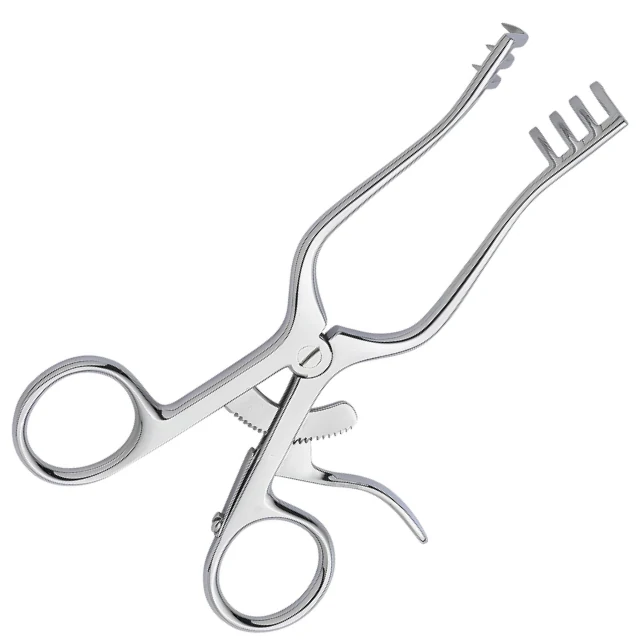
Weitlaner 견인기
부터 $94.00

광섬유 조명 일체형 링 유방 견인기
$339
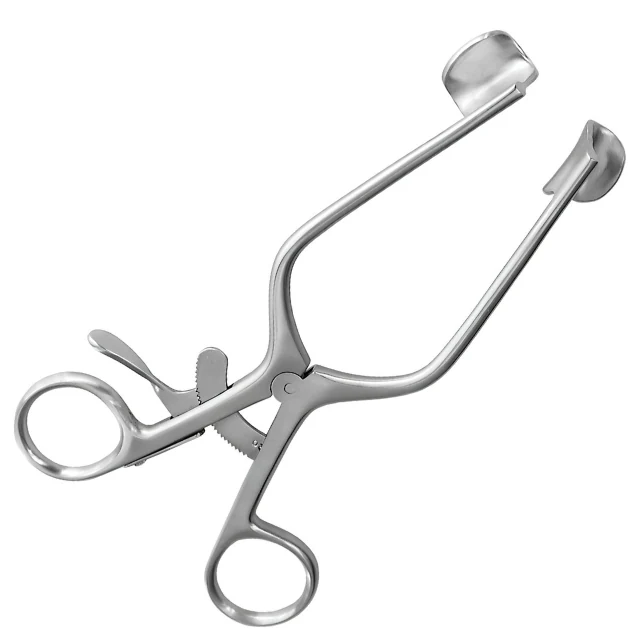
광폭 자가유지형 견인기
$139
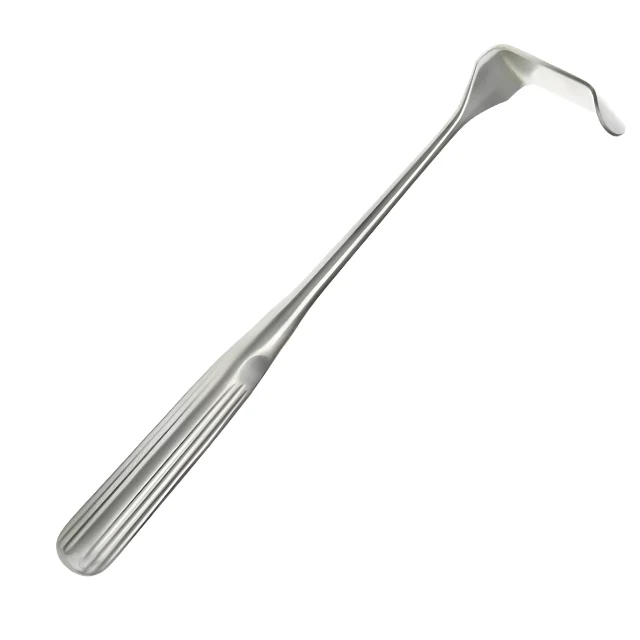
Sauerbruch 견인기
부터 $69.00
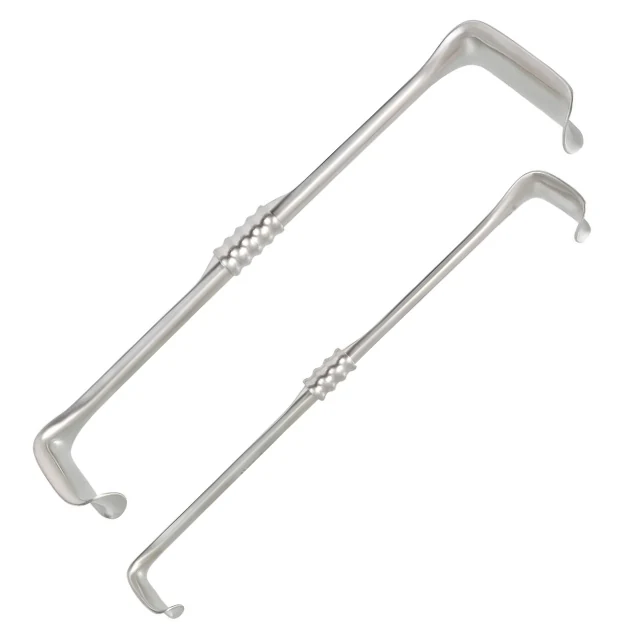
Richardson Eastman 견인기
부터 $54.00
수술용 견인기 또는 구성품이 필요하신가요?
제품, 구성, 수량 및 배송 국가를 포함하여 필요한 사항을 알려주세요. Retractor Maker에서 공급 가능 여부, 사양 및 가격을 안내해 드립니다.
견적 요청