
Orthopedic & Spine Retractors
Williams Retractor: Uses, Designs & Selection Guide
Author: Saad Shahid · Updated · 7 min read

Learn how Williams retractor designs differ for distal radius plating and lumbar discectomy, with blade options, safe handling, care, and buying advice.
Retractors discussed in this guide: Williams Discectomy Retractor, Williams Distal Radius Fracture Retractor, Williams Spinal Discectomy Retractor. Browse all surgical retractors.
A Williams retractor is a handheld surgical instrument used to retract tissue and expose underlying anatomy, with procedure-specific designs for the distal radius and lumbar spine. The name does not identify a single interchangeable blade pattern. Retractor Maker offers a distal radius fracture model and distinct spinal discectomy models, each with its own geometry and intended use. Surgeons, operating room staff, and hospital buyers should identify the complete product name before comparing dimensions or preparing a tray.
What is a Williams retractor?
A Williams retractor provides directional, handheld tissue retraction rather than self-retaining exposure. Its blade or prongs engage the intended operative region while the operator controls position and tension through the handle. Appropriate exposure depends on matching the instrument to the anatomy and maintaining controlled contact throughout use.
The key distinction is between wrist and spinal applications. The Williams Distal Radius Fracture Retractor retracts the pronator quadratus and flexor tendons during volar fracture plating. The Williams Spinal Discectomy Retractor and Williams Discectomy Retractor address paraspinal tissue exposure. Their shared name should not be treated as evidence that their tips, handles, or working dimensions are equivalent.
What is a Williams retractor used for?
Williams retractor use is determined by the specific model: volar distal radius exposure for the fracture retractor, and lumbar surgical exposure for the discectomy retractors. These applications serve orthopedic wrist surgery and spine surgery, including work performed by appropriately trained orthopedic spine surgeons and neurosurgeons.
- Distal radius fracture plating: the fracture model retracts the pronator quadratus and flexor tendons to expose the volar distal radius.
- Lumbar microdiscectomy: the spinal discectomy model retracts paraspinal musculature and exposes the lamina.
- Microsurgical lumbar discectomy and laminotomy: the discectomy model retracts paraspinal muscle and tissue margins.
These are exposure instruments, not substitutes for instruments used to cut tissue, remove bone, or place fixation. The operative approach and surgeon's assessment determine whether a particular retractor is suitable. For procurement, the stated intended use is a more reliable starting point than a broad specialty category or the Williams name by itself.
How do the blade, tip, and handle designs differ?
Blade geometry and handle placement distinguish the models. All three list their material as Premium Grade AISI 304/316 Stainless Steel (Non-Magnetic). Their working ends, however, are designed for different anatomical contact points and exposure requirements.
Distal radius fracture design
The distal radius model measures 4.5 inches (11.43 cm). Its anatomically curved blade is contoured to wrap around the radial styloid and watershed line. Blunt left and right angled prongs are designed for slip-resistant cortical bone purchase. An ergonomic flat handle with lateral serrations supports tactile grip stability.
Spinal discectomy design
The spinal discectomy model measures 15.3 cm (approx. 6.0 inches). It combines a right-angled toothed blade profile, designed to anchor onto bone cortices, with an ergonomic offset handle designed to preserve microscopic optical sightlines. Blade depth, width, and orientation are separate selection considerations.
Discectomy bayonet design
The discectomy model has an 18 cm total reach and an angled bayonet blade. Its contoured toothed tip is designed to anchor on the laminar margin. The ergonomic flat handle has lateral grip serrations for tactile stability. Toothed purchase does not remove the need for careful positioning and controlled retraction.
Which Williams retractor types and sizes are available?
The available range includes three named products, with curved or left/right configurations depending on the model. Compare the complete design and intended use before choosing a size. Overall instrument length and blade dimensions describe different aspects of fit and should not be used interchangeably.
| Product name | Design and available dimensions | Typical use |
|---|---|---|
| Williams Distal Radius Fracture Retractor | 4.5 inches (11.43 cm); blunt angled prongs; Curved Left or Curved Right blade layout | Retracting pronator quadratus and flexor tendons for volar distal radius fracture plating |
| Williams Spinal Discectomy Retractor | 15.3 cm (approx. 6.0 inches); offset handle and right-angled toothed blade; depths 50 mm, 60 mm, 70 mm, 80 mm, 90 mm, 110 mm; widths 10 mm or 20 mm; left-sided or right-sided configuration | Retracting paraspinal musculature and exposing the lamina during lumbar microdiscectomy |
| Williams Discectomy Retractor | 18 cm total reach; angled bayonet blade and toothed tip; 50 mm × 20 mm or 70 mm × 20 mm; Left-Oriented or Right-Oriented Blade | Retracting paraspinal muscle and tissue margins during microsurgical lumbar discectomy and laminotomy |
Confirm the exact configuration when ordering, particularly for the spinal discectomy model with multiple listed depths and widths. Do not assume that every possible combination is available without confirmation. Left and right labels describe product orientation; the operative approach and intended placement determine which configuration is appropriate.
How should a Williams retractor be positioned?
A Williams retractor should be positioned by trained surgical personnel under direct visualization, using the model suited to the planned exposure. The following principles support safe handling but do not replace surgical training, the operative plan, or the manufacturer's instructions.
- Verify the product, blade orientation, dimensions, condition, and sterile readiness before use.
- Identify the intended contact region and adjacent structures before applying retraction.
- Maintain controlled engagement and use only the tension necessary for adequate exposure.
- Avoid trapping unintended tissue beneath the blade, prongs, or toothed tip.
- Reassess tissue pressure and instrument position as the operative field changes.
For distal radius exposure, protect adjacent tendons and neurovascular structures while maintaining the planned tissue retraction. During lumbar exposure, keep retraction controlled and protect neural structures. A slipping tip, obstructed view, or excessive tissue tension calls for reassessment rather than simply increasing force. Handheld instruments require coordinated communication between the surgeon and assistant.
How do you clean and sterilize a Williams retractor?
All three listed Williams retractors are supplied non-sterile and are fully autoclavable. They must undergo appropriate preparation and sterilization before surgical use. Individual protective packaging protects the supplied instrument but should not be interpreted as a sterile barrier.
Cleaning must precede sterilization. Follow the manufacturer's validated reprocessing instructions and the facility's procedures for handling contaminated instruments, cleaning, rinsing, drying, inspection, packaging, and steam sterilization. Inspect toothed tips, angled prongs, blade surfaces, and grip serrations for retained soil or damage before returning an instrument to service.
The supplied product information does not specify a validated cycle temperature, exposure time, detergent, or drying duration. Obtain those instructions rather than selecting parameters from the material description alone. Remove damaged instruments from use and refer concerns about corrosion, deformation, or compromised working surfaces to the appropriate instrument-processing or supplier contact.
How do you choose and buy from Retractor Maker?
Choose a Williams retractor by intended procedure first, then confirm geometry, orientation, and dimensions with the surgical team. For spinal models, distinguish overall reach from blade depth and width. For the distal radius model, specify Curved Left or Curved Right rather than ordering by the family name alone.
Retractor Maker is a surgical retractor manufacturer and exporter in Sialkot, Pakistan, offering wholesale supply, OEM services, and worldwide shipping. Each listed product is brand new, supplied in individual protective packaging, and has a minimum order quantity of 1 Piece. Request a quotation identifying the exact product and configuration.
Hospital buyers should also confirm current availability, configuration-specific pricing, shipping arrangements, and required documentation before purchase. For OEM enquiries, describe the requested specifications and ask what can be supplied rather than assuming customization options. Include validated reprocessing instructions in the documentation request so sterile processing staff can assess the instrument before clinical introduction.
Clinical notice: This guide is for surgical teams and hospital buyers. Always follow the manufacturer's instructions for use (IFU) and your hospital's sterilization rules before clinical use.
Frequently Asked Questions
What is a Williams retractor used for?
A Williams retractor is used for tissue retraction during distal radius fracture plating or lumbar discectomy, depending on the model. The distal radius version exposes the volar distal radius by retracting the pronator quadratus and flexor tendons. The spinal versions retract paraspinal tissues for lumbar microdiscectomy or microsurgical discectomy and laminotomy.
What is the difference between Williams spinal discectomy retractors?
The two listed spinal models differ in handle design, blade geometry, overall length, and size options. The Williams Spinal Discectomy Retractor has an offset handle and right-angled toothed blade. The Williams Discectomy Retractor has an angled bayonet blade, a contoured toothed tip, and an ergonomic flat handle with lateral grip serrations. Select by the full product specification.
What sizes does a Williams retractor come in?
Williams retractor sizes vary by product rather than following a single shared size range. The distal radius model measures 4.5 inches (11.43 cm), the spinal discectomy model measures 15.3 cm (approx. 6.0 inches), and the discectomy model has an 18 cm total reach. Blade dimensions must be checked separately against the selected product.
Are Williams retractors supplied sterile?
The listed Williams retractors are supplied non-sterile and are fully autoclavable. They require appropriate cleaning, preparation, and sterilization before surgical use. Individual protective packaging does not establish sterility. Obtain the manufacturer's validated reprocessing instructions, because the supplied specifications do not provide steam cycle parameters or detailed cleaning requirements.
How do I choose a left or right Williams retractor?
Choose the orientation according to the specific model, planned approach, and surgeon's intended placement. The distal radius product offers Curved Left and Curved Right layouts, while the spinal products offer left and right blade configurations. Confirm orientation against the supplier's product information rather than assuming that a label automatically corresponds to the patient's operative side.
Can hospitals order Williams retractors wholesale or OEM?
Retractor Maker offers wholesale supply and OEM services with worldwide shipping from Sialkot, Pakistan. The listed Williams retractors each have a minimum order quantity of 1 Piece. Buyers should specify the complete product name, blade dimensions where applicable, orientation, and quantity, then confirm availability, documentation, shipping arrangements, and any proposed OEM requirements.
About the author
Saad Shahid · Sales & Marketing Manager
Saad Shahid is the Sales & Marketing Manager and founder of Retractor Maker, started in 2023 in Sialkot, Pakistan. He also works with his father at Hospitech Traders, the family surgical instrument business founded in 1989.
Related Blogs & Guide



Related Retractors

Brunner Retractor
From $54.00
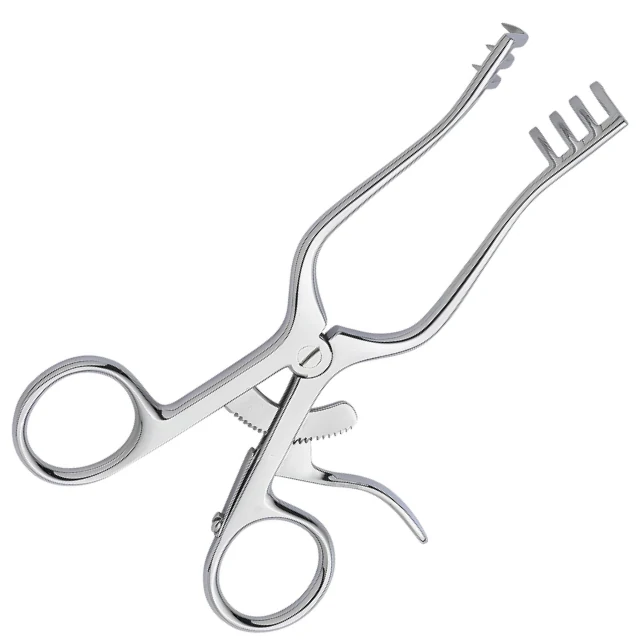
Weitlaner Retractor
From $94.00

Ring Breast Retractor With Fiber Optic Illumination
$339
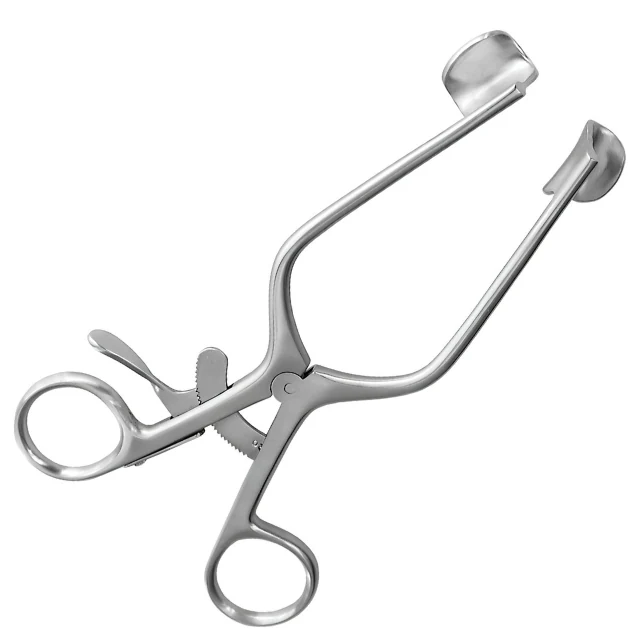
Wide Self-Retaining Retractor
$139
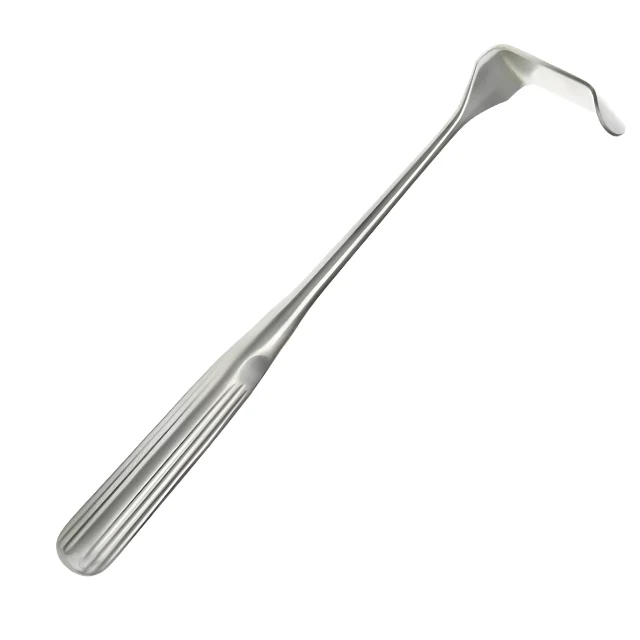
Sauerbruch Retractor
From $69.00
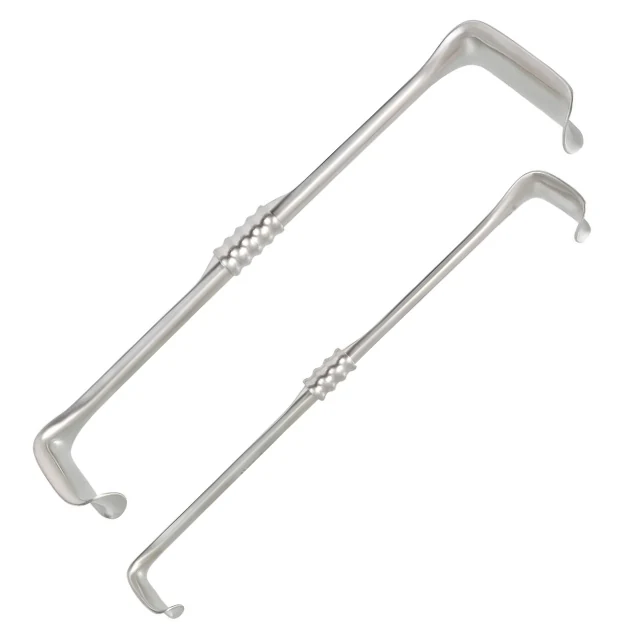
Richardson Eastman Retractor
From $54.00
Need Surgical Retractors or Components?
Tell us what you need, including the product, configuration, quantity and destination country. Retractor Maker can provide availability, specifications and pricing.
Request a Quote