
Plastic Surgery Retractors
Spring Retractor: Uses, Types, Sizes & Selection
Author: Saad Shahid · Updated · 7 min read

Compare spring retractor designs, sizes, and surgical uses. Learn about positioning, sterilization, and wholesale ordering from Retractor Maker in Pakistan.
Retractors discussed in this guide: Bose Tracheal Retractor Spring Type, Farr Spring Retractor, Spring Wire Retractor. Browse all surgical retractors.
A spring retractor is a self-retaining surgical instrument that uses a resilient spring mechanism to hold wound edges or tissue margins apart. It maintains exposure without continuous manual holding, although positioning and tissue response still require clinical supervision. Retractor Maker supplies Spring Wire, Farr, and Bose tracheal spring retractors. Their tissue-contact profiles and intended applications differ, so selection should begin with the operative site rather than the shared spring mechanism.
What is a spring retractor?
A spring retractor provides self-retaining exposure through the restoring force of a resilient wire loop, frame, or bridge. Once appropriately positioned, the mechanism supplies ongoing spreading tension. This distinguishes its working principle from a handheld retractor, which requires an operator to maintain traction throughout use.
Self-retaining does not mean that the instrument can be left unmonitored. Tissue can shift as dissection progresses, and the exposure initially obtained may no longer suit the operative field. The surgical team should reassess contact, stability, and tissue condition throughout use. Spring action also does not make different instruments interchangeable: a wound spreader and a tracheal retractor serve different anatomical purposes.
What is a spring retractor used for?
Spring retractors are used to maintain access to a surgical field by separating selected tissue margins. In this range, the intended uses extend from wound margin retraction in microsurgical and plastic procedures to tracheal margin stabilization during tracheostomy. The appropriate model depends on the tissue being supported.
- Spring Wire Retractor: hands-free wound margin retraction during microsurgical and plastic procedures.
- Farr Spring Retractor: spring-assisted, self-retaining tissue retraction during plastic, pediatric, and minor surgical procedures.
- Bose Tracheal Retractor Spring Type: retraction and stabilization of tracheal margins during pediatric and adult tracheostomy.
These applications describe the supplied products, not a universal indication for every spring retractor. A model listed for pediatric procedures still requires case-specific assessment of anatomy and fit. Likewise, tracheal use calls for a purpose-specific instrument rather than selection based only on a short overall length.
How do the spring mechanism and contact parts work?
The spring mechanism supplies spreading force, while the prongs, tips, or blades engage the tissue. The Spring Wire Retractor uses a resilient spring wire loop providing continuous, calibrated spreading tension. Its curved atraumatic fine prongs are contoured for secure tissue engagement. The product information does not provide a numerical force rating.
The Farr Spring Retractor has a resilient spring bridge delivering continuous, automatic spreading force. Buyers can select Flat Blade (atraumatic) or Sharp Pointed Tip (secure engagement) profiles. These contact options should be chosen for the intended tissue interaction; sharp points require particular attention to placement and nearby structures.
The Bose design combines a resilient spring-action bridge with well-defined curved blades contoured to cradle and support the tracheal wall. All three products use Premium Grade AISI 304/316 Stainless Steel (Non-Magnetic). Descriptions such as atraumatic or gentle do not eliminate the possibility of tissue injury from unsuitable selection, excessive tension, or prolonged pressure.
Which spring retractor types and sizes are available?
The three available designs differ primarily in contact geometry and intended application. Compare those features before comparing overall length. Length alone does not establish the working opening, contact area, or suitability for a particular wound.
| Product name | Design | Typical use | Listed overall lengths |
|---|---|---|---|
| Spring Wire Retractor | Self-retaining spring wire wound spreader with curved fine prongs | Microsurgical and plastic wound margin retraction | 8.6 cm, 8.9 cm, 11.5 cm, 12.8 cm, 13.0 cm, 22.8 cm |
| Farr Spring Retractor | Compact spring-loaded wire retractor with Flat Blade or Sharp Pointed Tip options | Plastic, pediatric, and minor surgical tissue retraction | 4 cm, 5 cm, 5.5 cm, 6 cm, 7.8 cm, 14 cm |
| Bose Tracheal Retractor Spring Type | Compact self-expanding tracheal retractor with curved supporting blades | Tracheal margin retraction and stabilization during tracheostomy | 7 cm (approx. 2.75 inches) |
Spring Wire prong layout options are 1×1 Prongs layout, 3×3 Prongs layout, and 4×4 Prongs layout. Farr options concern the contact profile as well as length. Confirm the required length and contact configuration together when ordering, rather than assuming that every listed option is available in every combination.
How should a spring retractor be positioned?
A spring retractor should be positioned by trained surgical personnel under direct visualization, using the instrument-specific instructions and clinical judgment. The goal is adequate exposure with no more tissue tension than necessary. The following principles support safe handling but do not replace procedure-specific training.
- Confirm the selected instrument matches the intended anatomy, procedure, and required tissue-contact profile.
- Before use, inspect the spring mechanism and contact surfaces for damage, distortion, or irregularities.
- Control the spring action during placement and ensure the contact parts engage only the intended tissue.
- Reassess exposure, tissue condition, and instrument stability as the procedure progresses.
- Control the spring action during removal and avoid dragging prongs or tips across tissue.
If exposure is inadequate, reassess position and instrument choice rather than forcing the retractor beyond its intended function. Spring Wire and Farr instruments are described for wound or tissue retraction, whereas Bose is designed for tracheal margins. Airway procedures require appropriate specialist training and an established airway management plan.
How are spring retractors cleaned and sterilized?
All three products are supplied non-sterile and are fully autoclavable. They require appropriate cleaning, inspection, packaging, and sterilization before surgical use. Individual Protective Packaging protects the supplied instrument but does not establish a sterile barrier or make it ready for the sterile field.
Use the manufacturer's current reprocessing instructions alongside the facility's validated procedures. The supplied product information does not specify detergent compatibility, cleaning parameters, or an autoclave cycle. Obtain those instructions before introducing the instrument into service; do not infer a sterilization temperature or exposure time from the material description.
During reprocessing, inspect contact surfaces and the spring structure for residual soil, corrosion, cracks, bent tips, or altered alignment. Remove damaged or malfunctioning instruments from service for assessment. After validated processing, protect the instrument from damage and maintain packaging integrity during storage and transport according to facility policy.
How do you choose and buy from Retractor Maker?
Choose by intended procedure, tissue-contact design, and anatomical fit before considering price. For procurement, specify the full product name, overall length, and applicable prong layout or tip profile. Ask for any additional dimensions needed to assess fit, because the listed overall lengths do not describe every working dimension.
Retractor Maker is a surgical retractor manufacturer and exporter in Sialkot, Pakistan, offering wholesale supply, OEM services, and worldwide shipping. Each listed product is brand new, comes in Individual Protective Packaging, and has a minimum order quantity of 1 Piece. Confirm configuration availability, order pricing, shipping arrangements, and documentation requirements when requesting a quotation.
Hospital buyers should also request current instructions for use and reprocessing information for review by surgical and sterile processing teams. For OEM enquiries, provide the intended specification and packaging requirements, then confirm what can be supplied. Clinical suitability and procurement acceptance should be assessed separately from the availability of wholesale or OEM ordering.
Clinical notice: This guide is for surgical teams and hospital buyers. Always follow the manufacturer's instructions for use (IFU) and your hospital's sterilization rules before clinical use.
Frequently Asked Questions
What is a spring retractor used for?
A spring retractor holds wound edges or tissue margins apart using self-retaining spring tension. The Spring Wire model is intended for microsurgical and plastic procedures, while Farr is intended for plastic, pediatric, and minor surgical procedures. The Bose tracheal model retracts and stabilizes tracheal margins during tracheostomy. Choose the design according to its intended anatomy and application.
Is a spring retractor self-retaining?
The Spring Wire, Farr, and Bose spring retractors are self-retaining instruments. Their resilient spring mechanisms maintain spreading tension without continuous manual holding. However, the surgical team must continue to monitor placement, tissue condition, and exposure. Self-retention does not remove the need for adjustment or make the instrument suitable for every tissue type.
What is the difference between Spring Wire and Farr retractors?
Spring Wire and Farr retractors differ in their tissue-contact options and listed intended uses. Spring Wire uses curved fine prongs and offers 1×1, 3×3, and 4×4 prong layouts for microsurgical and plastic wound retraction. Farr offers Flat Blade or Sharp Pointed Tip profiles for plastic, pediatric, and minor surgical procedures. Their available overall lengths also differ.
What sizes do spring retractors come in?
Available spring retractor lengths depend on the model. Spring Wire is listed in 8.6 cm, 8.9 cm, 11.5 cm, 12.8 cm, 13.0 cm, and 22.8 cm lengths. Farr is listed in 4 cm, 5 cm, 5.5 cm, 6 cm, 7.8 cm, and 14 cm lengths. Bose is 7 cm overall. Confirm working dimensions separately when assessing anatomical fit.
Can spring retractors be autoclaved?
All three listed spring retractor models are fully autoclavable and supplied non-sterile. They must undergo appropriate preparation and sterilization before surgical use. The product information does not provide specific cycle parameters, so obtain the manufacturer's current reprocessing instructions and follow validated facility procedures. Protective shipping packaging should not be treated as sterile packaging.
Where can hospitals buy spring retractors wholesale?
Hospitals can enquire about wholesale spring retractors directly from Retractor Maker in Sialkot, Pakistan. The manufacturer and exporter offers OEM services and worldwide shipping, with a listed minimum order quantity of 1 Piece for each supplied model. Include the product name, length, contact configuration, quantity, and destination when requesting a quotation, and request current use and reprocessing documentation.
About the author
Saad Shahid · Sales & Marketing Manager
Saad Shahid is the Sales & Marketing Manager and founder of Retractor Maker, started in 2023 in Sialkot, Pakistan. He also works with his father at Hospitech Traders, the family surgical instrument business founded in 1989.
Related Blogs & Guide



Related Retractors

Brunner Retractor
From $54.00
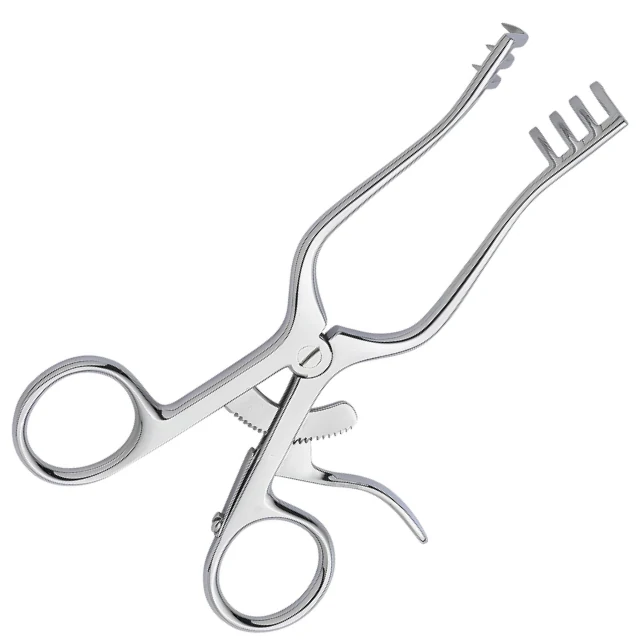
Weitlaner Retractor
From $94.00

Ring Breast Retractor With Fiber Optic Illumination
$339
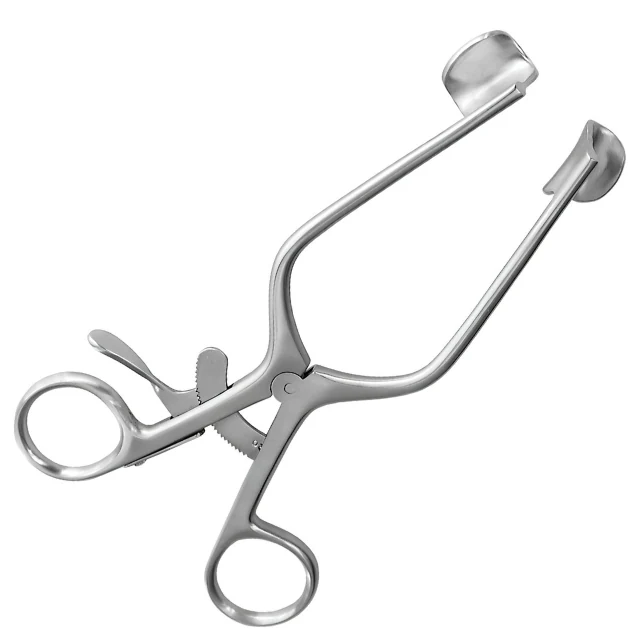
Wide Self-Retaining Retractor
$139
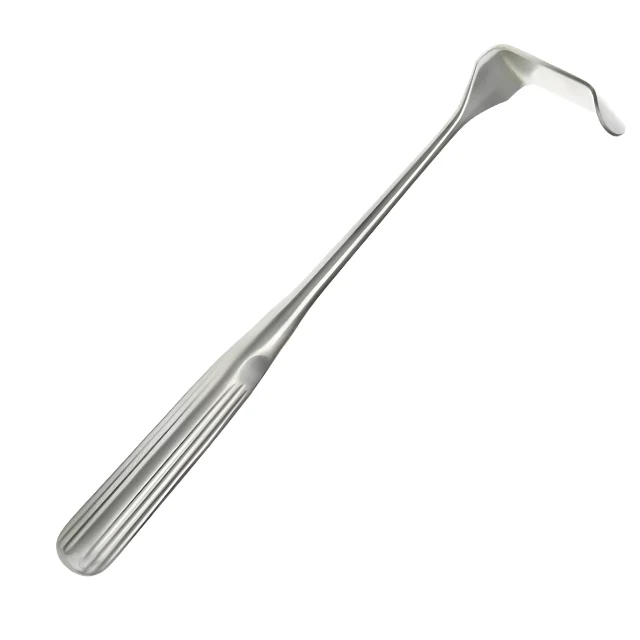
Sauerbruch Retractor
From $69.00
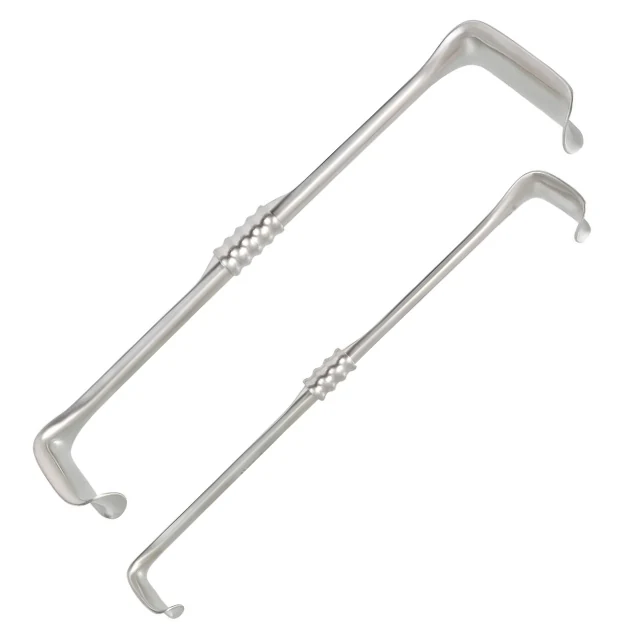
Richardson Eastman Retractor
From $54.00
Need Surgical Retractors or Components?
Tell us what you need, including the product, configuration, quantity and destination country. Retractor Maker can provide availability, specifications and pricing.
Request a Quote