
Cardiovascular Retractors
Parsonnet Retractor: Uses, Design, Sizes & Care
Author: Saad Shahid · Updated · 7 min read
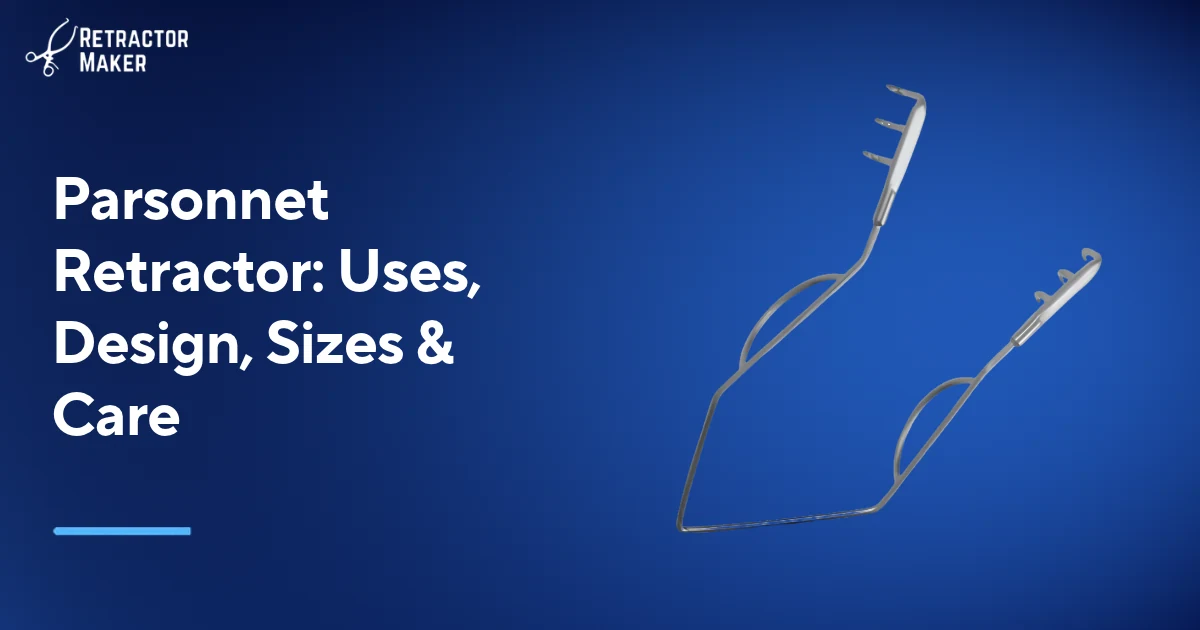
Explore parsonnet retractor uses in coronary bypass surgery, spring-wire design, available sizes, sterilization considerations, and wholesale ordering.
Retractors discussed in this guide: Parsonnet Epicardial Retractor. Browse all surgical retractors.
A parsonnet retractor is a self-retaining spring-wire instrument used to retract epicardial fat and myocardium to expose coronary arteries during bypass grafting. Its role is localized tissue spreading within the operative field, rather than opening the chest. For surgeons, operating room staff, and hospital buyers, the important distinctions are its epicardial application, spring-wire tension mechanism, available dimensions, and reprocessing requirements. Retractor Maker manufactures and exports the Parsonnet Epicardial Retractor from Sialkot, Pakistan, with wholesale supply, OEM services, and worldwide shipping.
What is a parsonnet retractor?
The Parsonnet Epicardial Retractor is a self-retaining epicardial tissue spreader designed for coronary artery exposure. In this context, self-retaining means that the resilient spring-wire loop provides spreading counter-traction without requiring continuous manual holding. This hands-free action supports exposure, but it does not eliminate the need for the surgical team to monitor tissue contact, tension, and position throughout use.
The epicardium is the outer surface layer of the heart, while the myocardium is the muscular heart wall. Epicardial fat can overlie coronary vessels and obscure the intended operative area. The instrument is specifically designed to retract epicardial fat and myocardium to isolate coronary arteries during bypass grafting. It should therefore be understood as a specialized cardiac exposure instrument, not a general-purpose replacement for other retractors.
What is a parsonnet retractor used for?
Its specified use is exposure of coronary arteries during coronary artery bypass grafting. Retracting tissue around the target vessel helps the surgeon see and access the operative site. The relevant specialty is cardiac surgery, where controlled exposure must be balanced with protection of the heart surface and surrounding structures.
The listed application should guide both clinical selection and purchasing. The supplied product details do not establish uses in other specialties or define compatibility with particular surgical approaches. A cardiac team should confirm suitability for its planned procedure rather than assume that every self-retaining retractor performs the same function.
- Primary procedure: coronary artery bypass grafting.
- Target tissues for retraction: epicardial fat and myocardium.
- Exposure objective: isolate and expose coronary arteries.
- Functional role: hands-free spring-wire spreading within the operative field.
How do the spring wire and prongs work?
The design combines a resilient spring-wire loop with curved atraumatic wire prongs. The loop provides continuous, gentle spreading counter-traction, while the prongs are designed to secure the epicardium without myocardial puncture. These features describe the intended mechanism; they do not guarantee freedom from tissue injury if the instrument is incorrectly selected or positioned.
The instrument is handcrafted from Premium Grade AISI 304/316 Stainless Steel (Non-Magnetic). Its listed configuration is a self-retaining spring-wire epicardial tissue spreader. The supplied specification attributes tension to the resilient wire loop, so buyers should not assume a ratchet, screw adjustment, or interchangeable components.
Before use, the team should inspect the loop and prongs for visible damage, deformation, or surface irregularities. The functional question is whether the instrument remains suitable for controlled tissue spreading under its instructions for use. An instrument that appears damaged or behaves unexpectedly should be removed from service and assessed through the facility’s instrument-management process.
What parsonnet retractor sizes are available?
Retractor Maker lists one Parsonnet Epicardial Retractor design in four size variants. The variants share the same specified epicardial application and spring-wire configuration. The table compares the listed dimensions and prices without assigning an unsupported procedural indication to any individual size.
| Product and variant | Listed dimension | Design | Typical use | Listed price |
|---|---|---|---|---|
| Parsonnet Epicardial Retractor — Extra Small | 2.5 cm | Self-retaining spring-wire epicardial tissue spreader | Epicardial fat and myocardial retraction during bypass grafting | $44.00 |
| Parsonnet Epicardial Retractor — Small | 3.0 cm | Self-retaining spring-wire epicardial tissue spreader | Epicardial fat and myocardial retraction during bypass grafting | $49.00 |
| Parsonnet Epicardial Retractor — Medium | 3.8 cm | Self-retaining spring-wire epicardial tissue spreader | Epicardial fat and myocardial retraction during bypass grafting | $54.00 |
| Parsonnet Epicardial Retractor — Large | 4.8 cm | Self-retaining spring-wire epicardial tissue spreader | Epicardial fat and myocardial retraction during bypass grafting | $59.00 |
The supplied dimensions do not identify the measurement as overall length, prong span, or working opening. Buyers should confirm the measurement reference before matching this instrument to an existing tray specification. Size selection should reflect the required exposure and the surgeon’s assessment, rather than an assumption that a larger variant is preferable.
How should a parsonnet retractor be positioned?
Positioning should be performed by trained surgical personnel under direct visualization, following the manufacturer’s instructions and the surgeon’s judgment. The objective is sufficient coronary exposure with the least necessary tissue displacement. This overview is not a substitute for device-specific handling instructions or supervised surgical training.
- Confirm the selected size, instrument integrity, and completed sterile processing before presentation to the operative field.
- Identify the intended exposure area and adjacent structures before positioning.
- Maintain direct visualization of tissue contact and avoid excessive traction or pressure.
- Reassess position and tissue response as the operative field changes.
- Release and remove the instrument in a controlled manner according to its instructions for use.
Self-retention does not mean unattended use. The team should remain alert to movement, loss of exposure, or unwanted tissue loading and respond according to clinical judgment. The curved prongs are designed to avoid myocardial puncture; that design intent should never be treated as permission to apply force without observing the contact area.
How is a parsonnet retractor cleaned and sterilized?
The Parsonnet Epicardial Retractor is supplied non-sterile and is fully autoclavable. It must undergo appropriate preparation and sterilization before clinical use. Individual Protective Packaging protects the supplied instrument but does not establish a sterile barrier or make it ready for the sterile field.
Cleaning must precede sterilization because residual soil can interfere with effective processing. Follow the manufacturer’s validated instructions for cleaning, rinsing, drying, inspection, packaging, and steam sterilization, together with facility procedures. Handle the spring-wire structure carefully during transport and processing to avoid deformation or damage.
The supplied product information does not specify cleaning chemistry, autoclave temperature, exposure time, or drying parameters. Obtain the applicable reprocessing instructions before establishing a processing cycle. Fully autoclavable does not mean that every steam cycle is suitable, and the material description alone is not enough to determine a validated sterilization method.
How do you choose and order from Retractor Maker?
Choose the instrument by intended application, confirmed dimensions, and compatibility with your facility’s reprocessing workflow. The surgeon should approve the clinical selection, while operating room and sterile processing staff verify tray requirements and handling instructions. Procurement teams can then match the approved specification to the requested quantity and delivery destination.
Retractor Maker supplies the instrument brand new in Individual Protective Packaging, with a minimum order quantity of 1 Piece. Wholesale buyers can request a quotation covering the selected size mix and shipping requirements. For OEM enquiries, submit the required specification for review rather than assuming that custom dimensions or configurations are already available.
Before placing an international order, confirm current pricing, availability, shipping arrangements, and destination-specific documentation requirements. Request the device instructions and reprocessing information alongside the commercial quotation. Keeping clinical, processing, and purchasing requirements together helps prevent a dimensionally similar instrument from being accepted without confirming its intended function.
Clinical notice: This guide is for surgical teams and hospital buyers. Always follow the manufacturer's instructions for use (IFU) and your hospital's sterilization rules before clinical use.
Frequently Asked Questions
What is a parsonnet retractor used for?
A parsonnet retractor is used to retract epicardial fat and myocardium to expose coronary arteries during bypass grafting. It is a specialized cardiac exposure instrument with a self-retaining spring-wire mechanism. Its specified role is localized tissue spreading around the coronary operative site, not opening the chest.
Is the Parsonnet Epicardial Retractor self-retaining?
The Parsonnet Epicardial Retractor is a self-retaining spring-wire epicardial tissue spreader. Its resilient wire loop provides continuous, gentle spreading counter-traction for hands-free exposure. The surgical team must still monitor placement, tissue contact, and tension; self-retention does not remove the need for ongoing observation during use.
What sizes does the parsonnet retractor come in?
The listed sizes are Extra Small at 2.5 cm, Small at 3.0 cm, Medium at 3.8 cm, and Large at 4.8 cm. All share the same specified epicardial application. The dimension reference is not identified in the supplied specification, so confirm what is measured before ordering.
Does the parsonnet retractor need sterilization before use?
The Parsonnet Epicardial Retractor requires sterilization before clinical use because it is supplied non-sterile. It is fully autoclavable, but the supplied details do not specify a validated steam cycle. Obtain the manufacturer’s reprocessing instructions and follow facility procedures for cleaning, inspection, packaging, sterilization, and release for use.
What material is the Parsonnet Epicardial Retractor made from?
The Parsonnet Epicardial Retractor is handcrafted from Premium Grade AISI 304/316 Stainless Steel (Non-Magnetic). This is the material wording provided in the product specification. Material identification does not replace device-specific care instructions; sterile processing teams should obtain the applicable cleaning and sterilization guidance before introducing it into their workflow.
Can hospitals order parsonnet retractors wholesale?
Hospitals and distributors can enquire about wholesale Parsonnet Epicardial Retractor supply from Retractor Maker. The manufacturer and exporter is based in Sialkot, Pakistan, and offers OEM services and worldwide shipping. The listed minimum order quantity is 1 Piece; confirm size selection, current pricing, documentation, and delivery arrangements when requesting a quotation.
About the author
Saad Shahid · Sales & Marketing Manager
Saad Shahid is the Sales & Marketing Manager and founder of Retractor Maker, started in 2023 in Sialkot, Pakistan. He also works with his father at Hospitech Traders, the family surgical instrument business founded in 1989.
Related Blogs & Guide
Related Retractors

Brunner Retractor
From $54.00
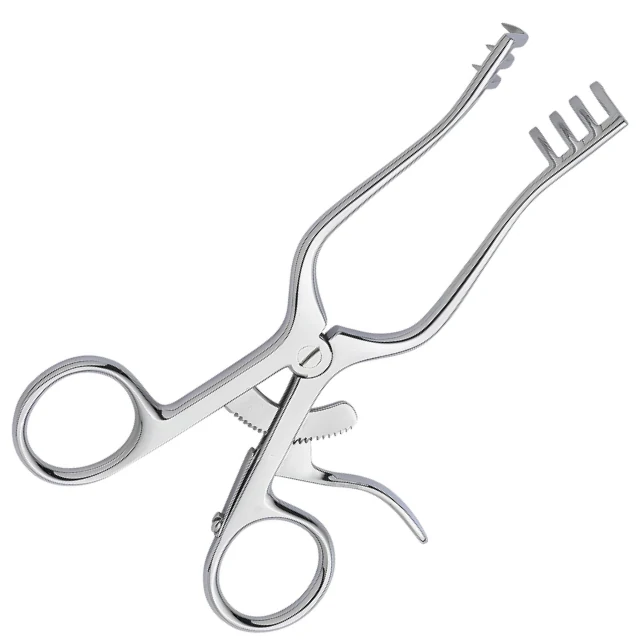
Weitlaner Retractor
From $94.00

Ring Breast Retractor With Fiber Optic Illumination
$339
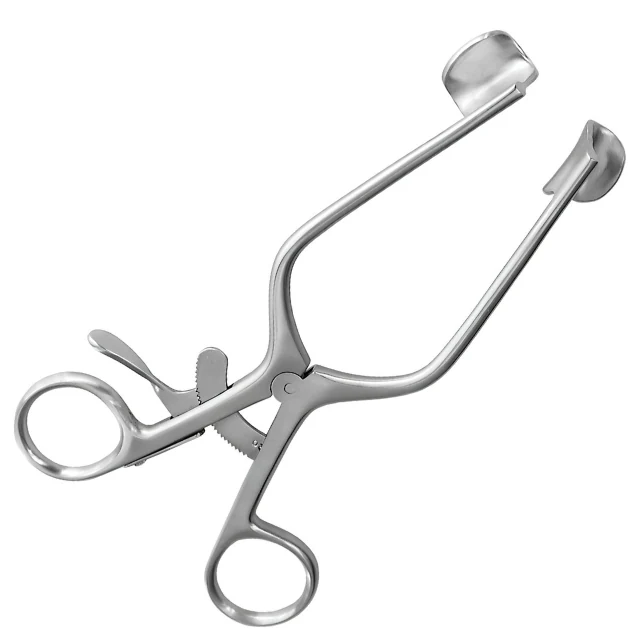
Wide Self-Retaining Retractor
$139
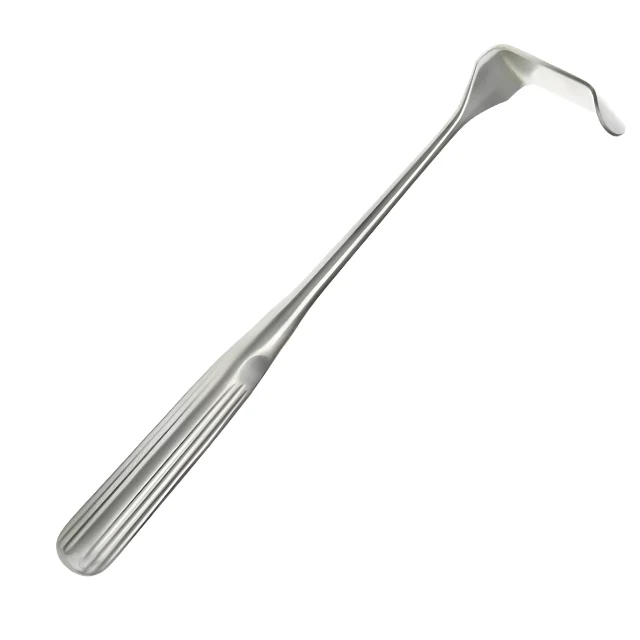
Sauerbruch Retractor
From $69.00
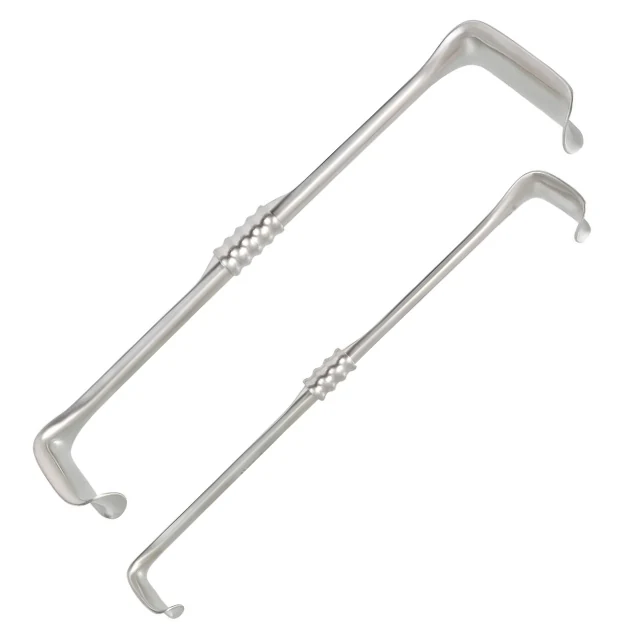
Richardson Eastman Retractor
From $54.00
Need Surgical Retractors or Components?
Tell us what you need, including the product, configuration, quantity and destination country. Retractor Maker can provide availability, specifications and pricing.
Request a Quote