
Orthopedic & Spine Retractors
Love Nerve Root Retractor: Uses, Designs & Selection
Author: Saad Shahid · Updated · 7 min read
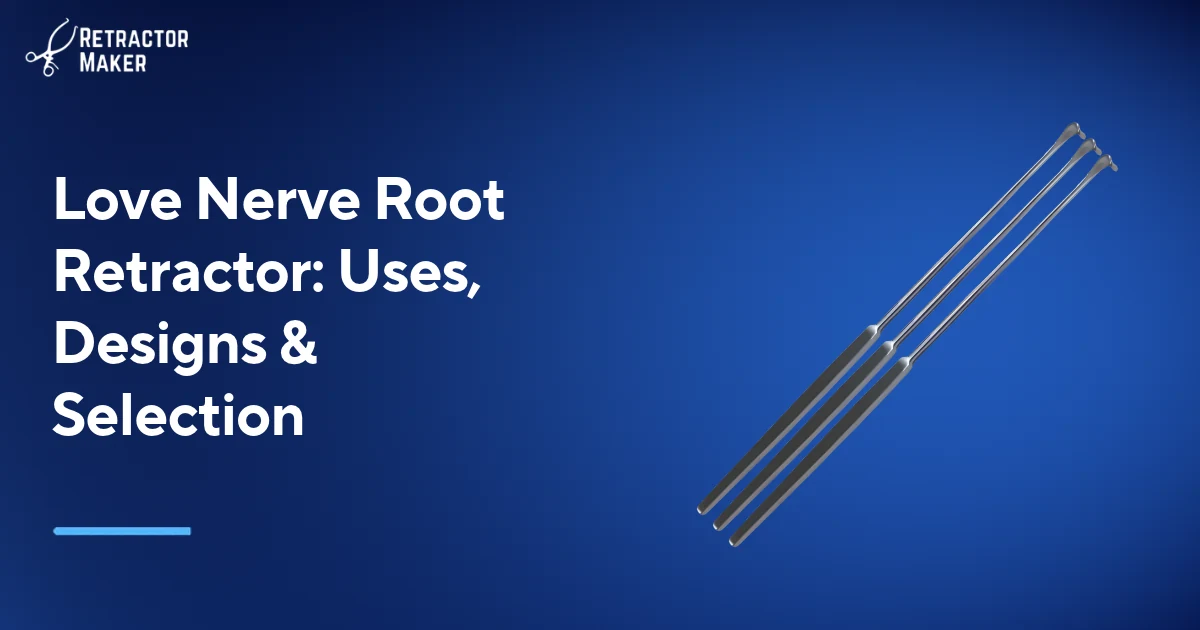
Explore Love nerve root retractor uses, rigid and bayonet designs, available lengths, sterilization considerations, and buying options from Retractor Maker.
Retractors discussed in this guide: Love Nerve Root Retractor, Bayonet, Love Nerve Root Retractor. Browse all surgical retractors.
A Love nerve root retractor is a handheld surgical instrument used to retract spinal nerve roots and the dural or thecal sac during spinal surgery. Its cupped working tip supports neural tissue while the surgeon maintains access to the operative field. Retractor Maker supplies rigid-shaft and bayonet versions with different profiles and lengths. Selection depends on the surgical approach, working depth, and viewing requirements, rather than length alone. For surgeons, OR staff, and hospital buyers, the important distinctions are shaft geometry, tissue-contact design, handling, and readiness for reprocessing.
What is a Love nerve root retractor?
The Love nerve root retractor is a microsurgical retraction instrument, not a cutting or grasping tool. Its purpose is to move neural structures sufficiently to support surgical access while helping protect them during the procedure. Both listed versions are handheld, so position and retraction remain under the control of the operating team rather than a self-retaining mechanism.
The dural sac and thecal sac refer to the same enclosing structure in this spinal context. The product descriptions use both terms: the rigid-shaft version is specified for nerve roots and the dural sac, while the bayonet version is specified for nerve roots and the thecal sac. Neither a cupped tip nor an atraumatic design eliminates the risk of neural injury.
What is a Love nerve root retractor used for?
The rigid-shaft Love Nerve Root Retractor is specifically intended for lumbar discectomy and decompression. These procedures may require controlled displacement of neural structures to expose the operative target. The retractor supports that exposure; it does not remove disc material or perform the decompression itself.
The bayonet version is intended for spinal microsurgery where nerve roots and the thecal sac require retraction while preserving the line of sight under an operating microscope. These instruments are relevant to neurosurgical and orthopedic spine practice. The choice between them should follow the planned approach and the surgeon’s visibility requirements.
- Lumbar discectomy: the rigid-shaft version is specified for neural retraction and protection.
- Lumbar decompression: the rigid-shaft version supports access around spinal nerve roots and the dural sac.
- Microscope-assisted spinal surgery: the bayonet version provides an offset profile intended to preserve microscopic sightlines.
What are its main design features and parts?
The principal parts are the working tip, shaft, and handle. Both versions are made from Premium Grade AISI 304/316 Stainless Steel (Non-Magnetic). The rigid-shaft product is described as handcrafted. Its smooth, cupped tip is engineered to cradle nerve roots, while the bayonet model has a cupped atraumatic distal blade tip for the same tissue-supporting purpose.
Working tip and shaft geometry
The cupped tip provides a supporting surface rather than a gripping jaw. The rigid-shaft version is offered in straight, Angled 45 Degree, and Angled 90 Degree profiles. The bayonet version uses an offset shaft intended to provide optical clearance. These configurations address different access and sightline needs; they should not be treated as interchangeable solely because their tips serve a similar purpose.
Handle and tactile control
Both products have an ergonomic flat-surfaced handle with lateral serrations for tactile stability. Handle security matters because small unintended movements can affect the position of a neural retractor. Nevertheless, a stable grip is only one part of safe use: clear visualization, appropriate positioning, and controlled tissue contact remain essential.
Which rigid-shaft and bayonet variants are available?
Retractor Maker lists two Love Nerve Root Retractor configurations: a rigid-shaft model with selectable profiles and a bayonet model with an offset shaft. The comparison below separates their stated dimensions and intended applications. The listed prices apply to the rigid-shaft lengths; no price is provided for the bayonet version.
| Product name | Design | Listed overall length | Typical intended use | Listed price |
|---|---|---|---|---|
| Love Nerve Root Retractor — rigid shaft | Handheld; straight, Angled 45 Degree, or Angled 90 Degree profile; smooth, cupped tip | 17.5 cm or 21.5 cm | Retracting and protecting spinal nerve roots and the dural sac during lumbar discectomy and decompression | 17.5 cm: $24.00; 21.5 cm: $29.00 |
| Love Nerve Root Retractor — bayonet | Handheld; offset bayonet shaft; cupped atraumatic distal blade tip | 21 cm (approx. 8.25 inches) | Retracting nerve roots and the thecal sac while preserving microscopic sightlines | Not specified |
Overall length is not the same as working-tip size. The supplied specifications do not state tip width, cup depth, or blade thickness. Buyers whose instrument lists require these measurements should request confirmation rather than infer them from the overall length. Likewise, confirm the required length-and-profile combination when ordering the rigid-shaft model.
How should it be positioned during surgery?
A Love nerve root retractor should be positioned by trained surgical personnel under direct visualization, using only the retraction needed for exposure. Exact placement depends on anatomy, operative findings, and the planned procedure. This overview does not replace surgical training or the manufacturer’s instructions for use.
The cupped surface is intended to support the neural structure without pinching it. Avoid blind placement, excessive force, or using the instrument as a lever against neural tissue. Continued attention to the contact point and tissue response is important because an atraumatic tip can still cause injury if pressure or displacement is excessive.
For microscope-assisted work, evaluate whether the offset bayonet profile keeps the handle and shaft out of the necessary viewing path. A rigid angled profile may suit a different access trajectory. In either case, communicate handoffs and changes in position clearly, and reassess the need for retraction as exposure changes.
How should it be cleaned and sterilized?
Both versions are supplied non-sterile and are fully autoclavable. Each comes in individual protective packaging, but that packaging does not establish sterility or readiness for surgical use. Before first use and subsequent reuse, follow the manufacturer’s validated reprocessing instructions and the facility’s sterile processing procedures.
- Confirm the instrument identity and obtain the applicable instructions for use before processing.
- Clean before sterilization, paying attention to the cupped tip and handle serrations.
- Inspect for residual soil, surface damage, deformation, or defects that could affect tissue contact.
- Use compatible cleaning products and the specified preparation, packaging, and autoclave cycle.
- Remove damaged instruments from service and protect the working tip during handling and storage.
The supplied product data does not include cleaning-agent compatibility, sterilization temperatures, exposure times, or drying parameters. Fully autoclavable should therefore not be interpreted as permission to choose an arbitrary steam cycle. Sterile processing staff should obtain those details before adding either version to a clinical instrument set.
How do you choose and order from Retractor Maker?
Choose by intended procedure, shaft profile, overall length, and viewing requirements. Ask the surgeon to identify whether a straight or angled rigid shaft is needed, or whether bayonet optical clearance is a priority. Record the requested configuration explicitly so procurement does not substitute one version based only on the shared product name.
Retractor Maker is a surgical retractor manufacturer and exporter in Sialkot, Pakistan, offering wholesale supply, OEM services, and worldwide shipping. Both listed products are brand new, individually protectively packaged, and have a minimum order quantity of 1 Piece. Request a quotation covering the selected configuration, quantity, destination, and any OEM requirements.
Before purchase, confirm current pricing, availability, shipping arrangements, required documentation, and reprocessing instructions. Include any unlisted dimensional requirements in the inquiry. This gives clinical, procurement, and sterile processing teams a common specification to review before the instrument enters service.
Clinical notice: This guide is for surgical teams and hospital buyers. Always follow the manufacturer's instructions for use (IFU) and your hospital's sterilization rules before clinical use.
Frequently Asked Questions
What is a Love nerve root retractor used for?
A Love nerve root retractor is used to retract spinal nerve roots and the dural or thecal sac during spinal surgery. Retractor Maker’s rigid-shaft version is specifically intended for lumbar discectomy and decompression. Its bayonet version is intended for neural retraction while preserving the line of sight under a surgical operating microscope.
What is the difference between rigid and bayonet Love retractors?
The main difference is shaft geometry and its relationship to surgical access and visibility. The rigid-shaft version is available with straight, Angled 45 Degree, and Angled 90 Degree profiles. The bayonet version has an offset shaft designed for optical clearance during microsurgery. Selection should reflect the surgeon’s access trajectory and microscope sightline requirements.
What sizes does the Love nerve root retractor come in?
The rigid-shaft Love Nerve Root Retractor comes in 17.5 cm and 21.5 cm overall lengths, while the bayonet version measures 21 cm (approx. 8.25 inches). These measurements describe overall instrument length, not working-tip dimensions. Tip width, cup depth, and blade thickness are not specified in the supplied product details and should be confirmed when needed.
Is the Love nerve root retractor supplied sterile?
Both listed Love Nerve Root Retractor versions are supplied non-sterile and are fully autoclavable. Individual protective packaging should not be mistaken for sterile packaging. Obtain the manufacturer’s validated cleaning and sterilization instructions before clinical use, because the supplied specifications do not provide autoclave temperatures, exposure times, drying parameters, or cleaning-agent compatibility.
What material is the Love nerve root retractor made from?
Both listed versions are made from Premium Grade AISI 304/316 Stainless Steel (Non-Magnetic). They share a cupped working tip and a flat-surfaced handle with lateral serrations, while their shaft configurations differ. Material identification does not replace routine inspection or validated reprocessing, and the non-magnetic designation should not be treated as an MRI safety classification.
Where can hospitals buy a Love nerve root retractor?
Hospitals can order Love Nerve Root Retractors from Retractor Maker, a manufacturer and exporter in Sialkot, Pakistan. The company offers wholesale supply, OEM services, and worldwide shipping. Both listed versions have a minimum order quantity of 1 Piece. Specify the required model, length, shaft profile, quantity, and delivery destination when requesting a quotation.
About the author
Saad Shahid · Sales & Marketing Manager
Saad Shahid is the Sales & Marketing Manager and founder of Retractor Maker, started in 2023 in Sialkot, Pakistan. He also works with his father at Hospitech Traders, the family surgical instrument business founded in 1989.
Related Blogs & Guide

Related Retractors

Brunner Retractor
From $54.00
Weitlaner Retractor
From $94.00

Ring Breast Retractor With Fiber Optic Illumination
$339
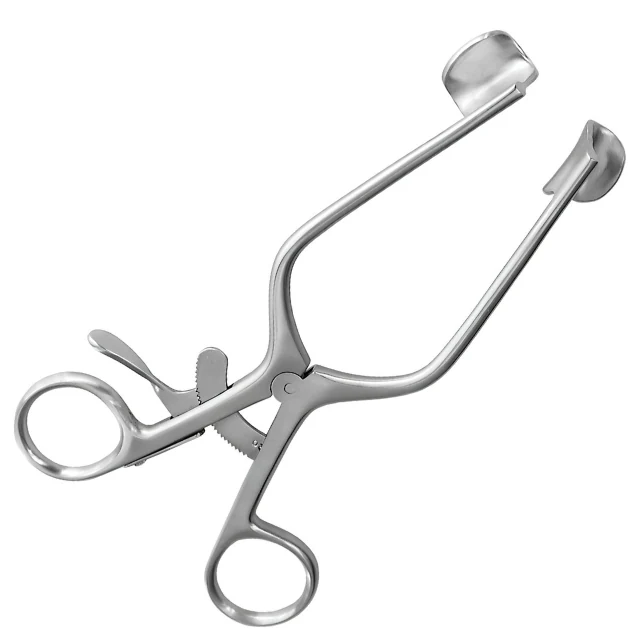
Wide Self-Retaining Retractor
$139
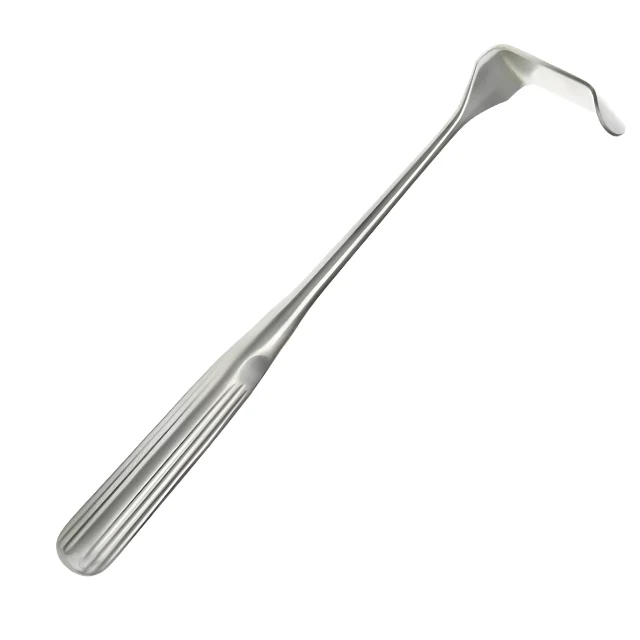
Sauerbruch Retractor
From $69.00
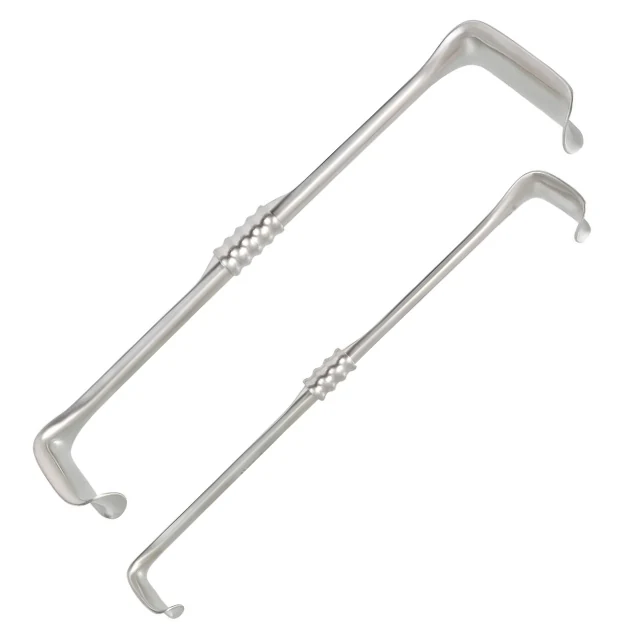
Richardson Eastman Retractor
From $54.00
Need Surgical Retractors or Components?
Tell us what you need, including the product, configuration, quantity and destination country. Retractor Maker can provide availability, specifications and pricing.
Request a Quote