
ENT Retractors
Mollison Retractor: Uses, Design & Buying Guide
Autor: Saad Shahid · Actualizat · 7 min de lectură
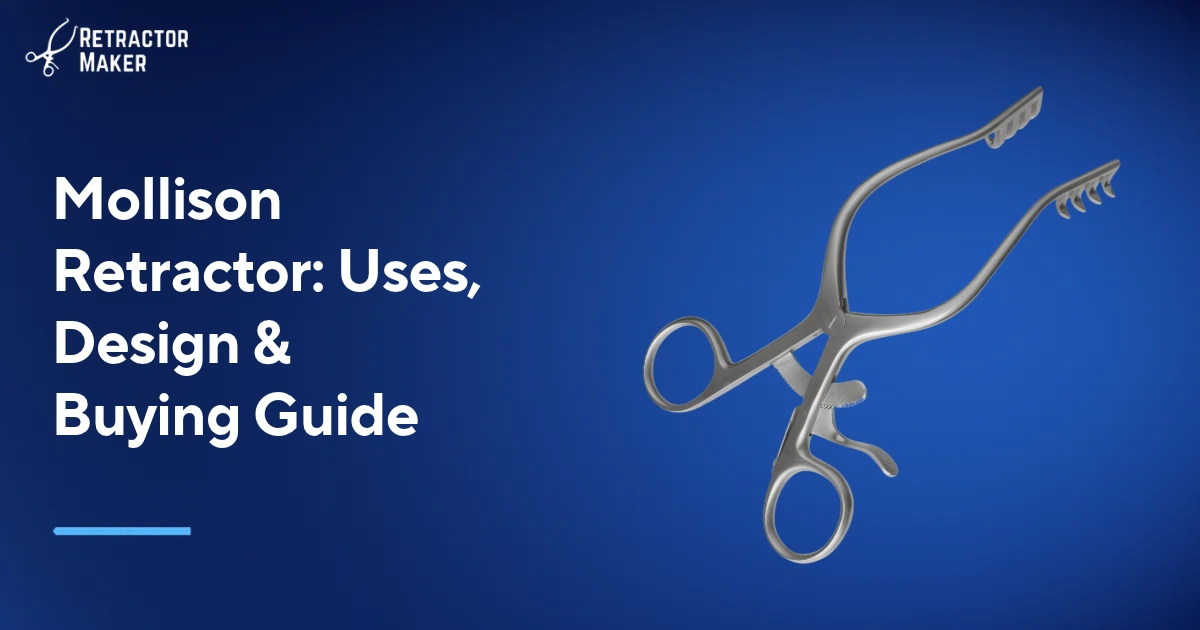
Learn Mollison retractor uses, design, positioning and sterilization, compare both models, and explore wholesale and OEM ordering from Retractor.
Depărtătoare prezentate în acest ghid: Depărtător Mollison, Depărtător Mollison pentru pilierul anterior. Consultați toate depărtătoarele chirurgicale.
A Mollison retractor is a self-retaining surgical instrument used in ear, nose and throat surgery for wound margin and periosteal retraction during mastoidectomy. It separates postauricular and scalp wound edges and holds incision margins open under mechanical tension. For surgeons, operating room staff and hospital buyers, the key distinction is between this pronged, ratchet-locking instrument and the Mollison Anterior Pillar Retractor. Although they share the Mollison name, they serve different anatomical targets and use different methods of retraction.
What Is a Mollison Retractor?
The catalogue Mollison Retractor is a self-retaining wound retractor with curved spreading arms, finger-ring handles and sharp prongs. Once positioned and opened, its multi-step positive ratchet catch maintains the selected opening without continuous manual holding. A quick-release finger lever releases the lock. This arrangement supports hands-free exposure while the surgical team works within the operative field.
Self-retaining describes how the instrument maintains its position; it does not mean that the retracted tissues can be left unmonitored. Tissue tension and contact points still require observation throughout use. By contrast, the Mollison Anterior Pillar Retractor is a handheld double-blade pharyngeal instrument. Naming the complete model on preference cards, purchase requests and tray lists helps prevent confusion between these two instruments.
What Is a Mollison Retractor Used For?
Mastoidectomy is a principal application of the self-retaining Mollison Retractor. It provides wound margin and periosteal retraction, separating postauricular and scalp incision edges to support operative exposure. The catalogue also identifies mastoid, ear and scalp surgery, with additional applications in thyroidectomy and cranial procedures. Selection for any case depends on the operative approach, tissue condition and surgeon's assessment.
- Mastoidectomy: wound margin and periosteal retraction with hands-free maintenance of the opening.
- Ear and scalp surgery: separation and holding of incision margins where the pronged design is appropriate.
- Thyroidectomy and cranial procedures: additional listed applications for the self-retaining model, subject to clinical selection.
- Tonsillectomy and pharyngeal surgery: anterior tonsillar pillar and palatoglossal arch retraction using the handheld Anterior Pillar model.
The anterior pillar instrument exposes the tonsillar bed for dissection and hemostasis by manually displacing mucosal margins. It is also listed for oral procedures. These uses should not be transferred automatically to the sharp-pronged wound retractor: the tissue interface and method of maintaining exposure are materially different.
What Are the Main Design Features and Parts?
The self-retaining model combines spreading arms with an asymmetrical layout of four sharp prongs on each side. The prongs grasp skin borders and distribute tension evenly. Finger-ring handles allow manipulation of the arms, while the ratchet catch maintains the opening. The quick-release finger lever provides the means to disengage that lock when adjustment or removal is required.
Both catalogue instruments are handcrafted from Premium Grade AISI 304/316 Stainless Steel (Non-Magnetic) and have an anti-glare satin matte finish. The Anterior Pillar model instead uses dual slender blades with rounded atraumatic margins. Its angled working configuration supports manual displacement of mucosal margins, and its lightweight, angled center handle is designed to minimize hand fatigue.
Rounded atraumatic margins describe the blade design, not a guarantee against tissue injury. Both instruments require controlled handling and appropriate tissue contact. The catalogue does not state overall lengths or blade dimensions, so buyers should request dimensional specifications rather than infer them from the instrument name.
Which Mollison Retractor Variant Should You Choose?
Choose by anatomical target and retention method rather than by the shared Mollison name. The self-retaining instrument holds wound margins open through a mechanical lock. The anterior pillar instrument provides manually controlled mucosal retraction. The comparison below summarizes the two catalogue products without implying that they are interchangeable.
| Product name | Design | Typical use |
|---|---|---|
| Mollison Retractor | Self-retaining curved spreading arms; finger-ring handles; four sharp prongs on each side; multi-step positive ratchet catch and quick-release finger lever | Wound margin and periosteal retraction during mastoidectomy; ear and scalp surgery; additional listed applications in thyroidectomy and cranial procedures |
| Mollison Anterior Pillar Retractor | Handheld double-blade pharyngeal instrument; slender blades with rounded atraumatic margins; angled working configuration and center handle | Anterior tonsillar pillar and palatoglossal arch retraction for tonsillectomy and pharyngeal surgery; also listed for oral procedures |
For procurement, record the full product name alongside the intended procedure and requested specifications. This is particularly helpful when several specialties share purchasing systems or instrument storage. Neither product description supplies a size range; confirm the available dimensions before completing a purchase specification.
How Is a Mollison Retractor Positioned and Used?
Positioning should provide adequate exposure with the least necessary tissue tension. The following principles are for trained surgical teams and do not replace the manufacturer's instructions or procedure-specific training. Before use, confirm the correct model, completed sterile processing and satisfactory condition of the working ends and moving components.
- For the self-retaining model, identify the intended wound margins under direct visualization and establish controlled prong contact.
- Open gradually to the exposure required, checking that tissue is not unintentionally trapped or excessively stretched.
- Engage the ratchet only after confirming acceptable positioning, and reassess contact points as the operative field changes.
- Support the instrument during release and use the quick-release finger lever to disengage the lock before controlled removal.
- For the Anterior Pillar model, use the blades to displace the intended mucosal margin with controlled manual pressure.
Avoid treating a wider opening as inherently better exposure. If visualization remains inadequate, reassess placement and the overall approach rather than simply increasing force. The handheld model likewise requires ongoing attention to blade position and pressure throughout retraction.
How Should Mollison Retractors Be Cleaned and Sterilized?
Both products are supplied non-sterile in individual protective packaging and are fully autoclavable. They require cleaning and sterilization before clinical use. Protective packaging should not be treated as evidence of sterility. The self-retaining model is designed to withstand repeated hospital autoclave cycles, and the Anterior Pillar model is designed to withstand repeated hospital sterilization cycles.
Follow the manufacturer's current reprocessing instructions and the facility's validated procedures for cleaning, rinsing, drying, inspection, packaging and sterilization. Pay particular attention to prongs, blade margins and, on the self-retaining model, joints and the locking mechanism. Remove damaged or malfunctioning instruments from service. The catalogue does not provide cycle temperatures, exposure times or detergent specifications; obtain these instructions rather than assuming a universal autoclave setting.
How Do You Buy from Retractor Maker?
Retractor Maker manufactures both instruments in Sialkot, Pakistan, and supplies wholesale, OEM and distributor orders with worldwide shipping. Start a quote request with the complete model name, intended procedure, required quantity and delivery destination. Hospitals and surgical practices should also identify any dimensional or documentation requirements needed for internal evaluation.
Before ordering, request confirmation of dimensions, current reprocessing instructions, packaging details and delivery arrangements. For OEM requirements, describe the requested specifications and ask what can be supplied rather than assuming customization options. Matching the instrument to the surgical task, verifying the specification and planning sterile processing are more useful purchasing criteria than selecting solely by the Mollison name.
Notă privind utilizarea clinică: Acest ghid se adresează echipelor chirurgicale și responsabililor de achiziții din spitale. Respectați întotdeauna instrucțiunile de utilizare (IFU) ale producătorului și regulile de sterilizare ale spitalului dumneavoastră înainte de utilizarea clinică.
Întrebări frecvente
What is a Mollison retractor used for?
A Mollison retractor is used for wound margin and periosteal retraction during mastoidectomy. The self-retaining model separates postauricular and scalp wound edges and maintains exposure through a ratchet lock. Its catalogue applications also include ear and scalp surgery, thyroidectomy and cranial procedures, with suitability determined by the surgeon for the operative approach.
Is a Mollison retractor self-retaining?
The catalogue Mollison Retractor is self-retaining. Its multi-step positive ratchet catch maintains the opening, and a quick-release finger lever releases the lock. However, the separately named Mollison Anterior Pillar Retractor is handheld rather than self-retaining, so the complete product name matters when selecting or ordering an instrument.
What is the difference between Mollison and anterior pillar retractors?
The Mollison Retractor holds wound margins open, while the Mollison Anterior Pillar Retractor manually retracts pharyngeal mucosal margins. The former has sharp prongs and a ratchet lock. The latter has dual slender blades with rounded atraumatic margins for retracting the anterior tonsillar pillar and palatoglossal arch during tonsillectomy and pharyngeal surgery.
Can a Mollison retractor be autoclaved?
Both listed Mollison instruments are fully autoclavable. They arrive non-sterile and require appropriate cleaning and sterilization before clinical use. Follow the manufacturer's current instructions and the facility's validated processing procedures. Because the catalogue does not specify cycle parameters, request the applicable instructions instead of choosing temperature and exposure settings from the product name alone.
What sizes does the Mollison retractor come in?
The supplied catalogue descriptions do not specify Mollison retractor sizes. Request confirmed overall dimensions and relevant working-end measurements from Retractor Maker before ordering. Identify whether you need the self-retaining Mollison Retractor or the handheld Mollison Anterior Pillar Retractor, since their different designs require different specification checks.
Where can hospitals buy Mollison retractors wholesale?
Hospitals can request wholesale Mollison retractor quotes from Retractor Maker in Sialkot, Pakistan. The manufacturer offers both listed models for wholesale, OEM and distributor orders with worldwide shipping. Include the complete product name, quantity, destination and specification requirements, and confirm reprocessing documentation and delivery arrangements before finalizing the order.
Despre autor
Saad Shahid · Manager de vânzări și marketing
Saad Shahid este managerul de vânzări și marketing și fondatorul Retractor Maker, companie înființată în 2023 în Sialkot, Pakistan. De asemenea, lucrează alături de tatăl său la Hospitech Traders, afacerea de familie din domeniul instrumentelor chirurgicale, fondată în 1989.
Articole de blog și ghiduri conexe
Depărtătoare conexe

Depărtător Brunner
De la $54.00
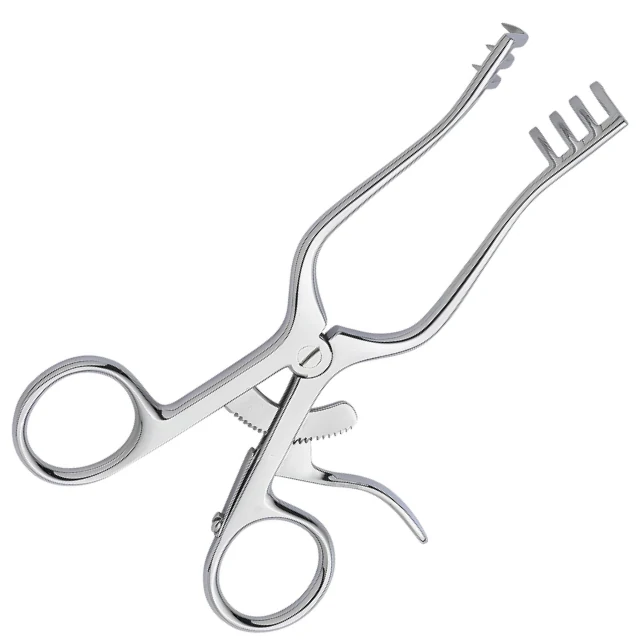
Depărtător Weitlaner
De la $94.00

Depărtător mamar cu lamă inelară și iluminare prin fibră optică
$339
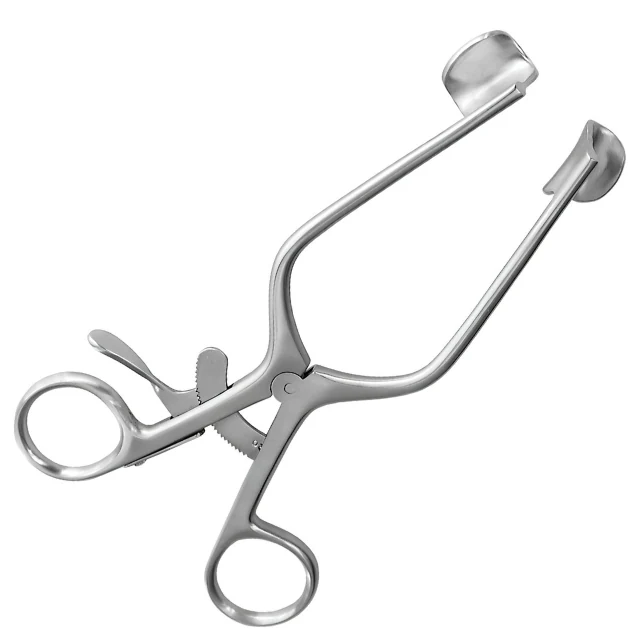
Depărtător autostatic cu valve late
$139
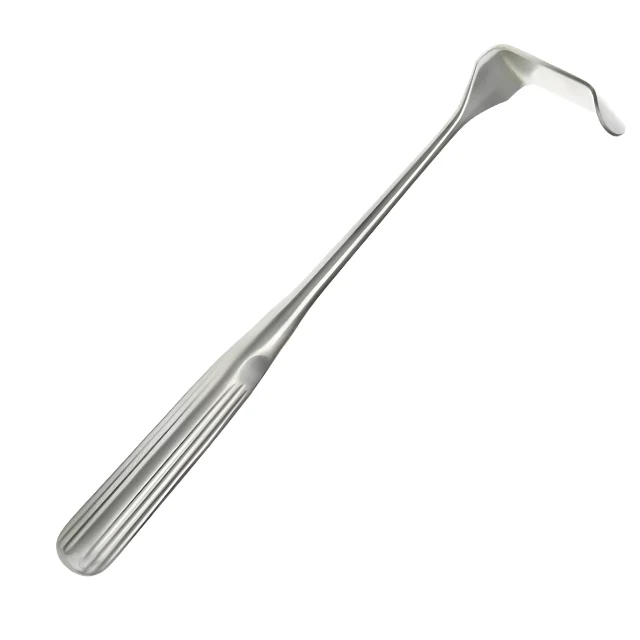
Depărtător Sauerbruch
De la $69.00
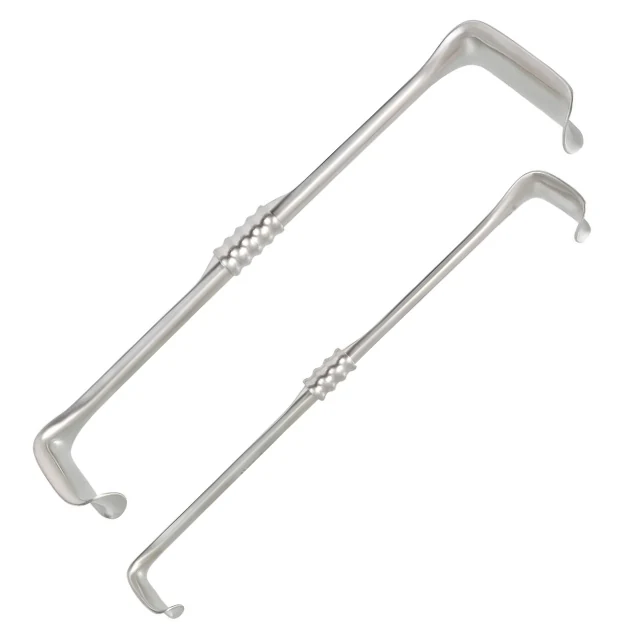
Depărtător Richardson Eastman
De la $54.00
Aveți nevoie de depărtătoare chirurgicale sau de componente?
Spuneți-ne de ce aveți nevoie, precizând produsul, configurația, cantitatea și țara de destinație. Retractor Maker vă poate oferi informații despre disponibilitate, specificații și prețuri.
Solicitați o ofertă