
Cardiovascular Retractors
Mitral Valve Retractor: Uses, Design & Buying Guide
Autor: Saad Shahid · Actualizat · 7 min de lectură
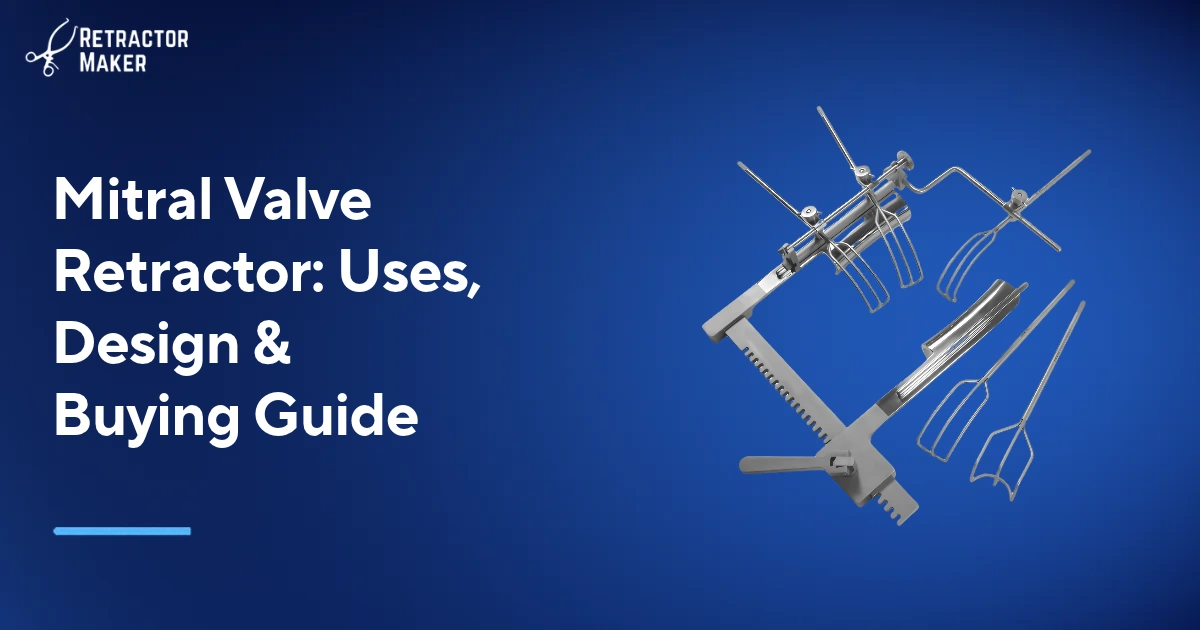
Learn how a mitral valve retractor supports cardiac valve exposure, review its components and care, and explore wholesale purchasing from Retractor.
Depărtătoare prezentate în acest ghid: Depărtător pentru valva mitrală. Consultați toate depărtătoarele chirurgicale.
A mitral valve retractor is a cardiac surgery system used to retract atrial tissue and expose the mitral and tricuspid valves during valve procedures. It helps present the left atrium, valve annulus and intra-cardiac anatomy for surgical assessment and reconstruction. For surgeons, the central concern is controlled exposure without unnecessary tissue tension. For operating room staff and hospital buyers, the priorities also include assembly, component identification, reprocessing and compatibility with the planned surgical setup. This guide explains the Retractor Maker system and the questions to resolve before clinical use or purchase.
What is a mitral valve retractor?
A mitral valve retractor is an exposure system rather than an instrument for repairing the valve itself. Its role is to hold atrial tissue away from the operative field so the surgeon can see and access the structures involved in a valve procedure. Exposure must remain appropriate as the operative task changes; a position that provides a useful view at one stage may require reassessment later.
The Retractor Maker assembly combines a Cooley sternum retractor with a main support bracket, adjustable side arm bar and universal mounting clamps. Interchangeable atrial blades and a dedicated tricuspid blade provide the tissue-contact elements. This distinction matters when ordering: a complete retraction system is not the same purchasing requirement as an individual replacement blade or mounting component. Buyers should confirm the requested supply configuration in the quotation.
What is a mitral valve retractor used for?
The system is used in cardiac surgery for structured exposure during mitral and tricuspid valve procedures. The listed applications include valve reconstruction performed during cardiopulmonary bypass. Its blades retract atrial margins and interatrial septal tissue, helping the surgeon maintain a view of the relevant intra-cardiac anatomy. The operative approach and patient anatomy determine the appropriate arrangement.
- Mitral valve procedures: exposure of the left atrium and valve annulus during operative assessment and reconstruction.
- Tricuspid valve procedures: tissue retraction using the dedicated tricuspid blade within the system.
- Cardiac valve reconstruction: organized soft tissue retraction while the surgeon works within the operative field.
- Operating room preparation: identification and arrangement of the supports, clamps and selected blades before use.
The retractor supports access; it does not determine which valve intervention is appropriate. Nor should its intended role be taken as evidence of compatibility with every cardiac surgical approach. Teams planning a particular access strategy should review the assembly requirements and available product documentation before selecting it.
What are the main parts and design features?
The design brings together a sternal retractor, supporting hardware and tissue-retracting blades. The Cooley sternum retractor is integrated with the main support bracket, while the adjustable side arm bar and universal mounting clamps support positioning within the assembly. Exact assembly and tightening instructions should come from the manufacturer's instructions rather than assumptions based on another retractor system.
Atrial and tricuspid blades
Interchangeable atrial blades retract atrial margins and interatrial septal tissue. A dedicated tricuspid blade serves the system's tricuspid exposure role. Blade selection should reflect the anatomy and the exposure required, with attention to the tissue-contact area and direction of traction. The supplied catalogue does not specify blade dimensions or counts, so those details need confirmation before an order is finalized.
Material, finish and component organization
The system is made from Premium Grade AISI 304/316 Stainless Steel (Non-Magnetic) with an anti-reflective satin finish. A heavy-duty sterilization box organizes and protects components during storage and reprocessing. The box supports orderly handling, but it does not replace cleaning, inspection or the validated sterilization process. Staff should verify that each component is present and in suitable condition before preparing the assembly.
Which mitral valve retractor variants are listed?
The supplied catalogue lists one product, the Mitral Valve Retractor, with interchangeable blade elements within the system. It does not list separate size variants or alternative complete models. The table therefore summarizes the available product rather than suggesting unlisted versions. Buyers comparing it with an existing hospital set should request the detailed component specification.
| Product name | Design | Typical use |
|---|---|---|
| Mitral Valve Retractor | Cooley sternum retractor integrated with a main support bracket, adjustable side arm bar, universal mounting clamps, interchangeable atrial blades and a dedicated tricuspid blade. | Atrial tissue retraction and exposure of the mitral and tricuspid valves during cardiac valve procedures, including reconstruction during cardiopulmonary bypass. |
Interchangeability within the described assembly should not be interpreted as compatibility with other manufacturers' systems. Likewise, the term universal mounting clamps does not establish that every external rail, frame or accessory will fit. Confirm the intended interfaces directly when replacing equipment or integrating the system into an established instrument inventory.
How is a mitral valve retractor positioned?
Positioning is performed by the trained surgical team according to the operative approach, anatomy and manufacturer instructions. The general objective is adequate visualization with no more tissue traction than necessary. This overview is not an assembly protocol or a substitute for supervised training in cardiac surgical retraction.
Before use, the team should confirm component integrity, appropriate sterile preparation and secure assembly. The selected blade must suit the intended tissue contact and exposure. During placement and adjustment, direct visualization helps the surgeon assess tissue engagement and avoid unintended pressure on nearby structures. The support arrangement should also preserve access for other instruments.
Exposure should be reassessed throughout the procedure, particularly when the operative task or instrument position changes. If tissue appears excessively stretched or the view is inadequate, the team should reconsider positioning rather than simply increase traction. Communication between the surgeon and scrub team helps ensure adjustments are deliberate and that components remain accounted for during removal.
How should the system be cleaned and sterilized?
The complete system is supplied non-sterile and is fully autoclavable. It must undergo appropriate cleaning and sterilization before clinical use. Autoclavability alone does not specify a cycle: obtain the manufacturer's reprocessing instructions and use the hospital's validated procedures for the device, packaging and sterilizer.
Reprocessing should address all surfaces where surgical soil may remain, including blade connections and mounting interfaces. Follow the instructions for any required disassembly, cleaning, rinsing, drying and inspection. Check components for damage, corrosion, retained soil or impaired function, and remove unsuitable items from service under facility policy. Do not assume sterilization compensates for incomplete cleaning.
Use the heavy-duty sterilization box as directed to organize and protect the components. Confirm loading and packaging requirements with sterile processing personnel so the arrangement is consistent with the validated process. After reprocessing, storage and handling should preserve the integrity of the prepared set until it is needed.
How do you choose and buy from Retractor Maker?
Choose the system by matching the clinical exposure requirement with a verified component specification and reprocessing plan. Request confirmation of blade dimensions, included components, mounting interfaces and instructions before purchase. These details help the surgeon, operating room team and sterile processing department evaluate the same configuration rather than work from different assumptions.
Retractor Maker manufactures the system in Sialkot, Pakistan, and accepts wholesale, OEM and distributor orders with worldwide shipping. Hospitals and surgical instrument distributors can request a quotation describing their purchasing requirements. Include the intended quantity, destination, required documentation and any OEM specifications so these can be reviewed before ordering. Confirm the agreed configuration, delivery terms and support arrangements in writing.
Notă privind utilizarea clinică: Acest ghid se adresează echipelor chirurgicale și responsabililor de achiziții din spitale. Respectați întotdeauna instrucțiunile de utilizare (IFU) ale producătorului și regulile de sterilizare ale spitalului dumneavoastră înainte de utilizarea clinică.
Întrebări frecvente
What is a mitral valve retractor used for?
A mitral valve retractor is used to expose cardiac valve anatomy by retracting atrial tissue during surgery. The Retractor Maker system supports mitral and tricuspid valve procedures, including valve reconstruction during cardiopulmonary bypass. Its role is to provide operative exposure, not to perform the valve repair itself.
Can a mitral valve retractor be used for tricuspid surgery?
The listed Retractor Maker system is intended for exposure during both mitral and tricuspid valve procedures. It includes a dedicated tricuspid blade alongside interchangeable atrial blades. The surgeon must determine the appropriate arrangement for the planned procedure and patient anatomy, following the manufacturer's instructions for assembly and use.
What parts are included in a mitral valve retractor system?
The described system integrates a Cooley sternum retractor, main support bracket, adjustable side arm bar, universal mounting clamps and retraction blades. The blades include interchangeable atrial blades and a dedicated tricuspid blade. A heavy-duty sterilization box organizes and protects components; confirm the itemized supply list and blade dimensions when requesting a quotation.
Is the mitral valve retractor supplied sterile?
The complete Mitral Valve Retractor system is supplied non-sterile and is fully autoclavable. Appropriate cleaning and sterilization are required before clinical use. The catalogue does not specify sterilization cycle parameters, so the sterile processing team should obtain the manufacturer's reprocessing instructions and follow a validated device-specific process.
What material is the mitral valve retractor made from?
The system is made from Premium Grade AISI 304/316 Stainless Steel (Non-Magnetic) with an anti-reflective satin finish. Material and finish do not remove the need for careful cleaning, drying and inspection. Follow the manufacturer's care instructions, and assess components for damage, retained soil or impaired function before returning them to service.
Where can hospitals buy a mitral valve retractor wholesale?
Hospitals can request a wholesale quotation for the Mitral Valve Retractor directly from Retractor Maker in Sialkot, Pakistan. The manufacturer also accepts OEM and distributor orders and offers worldwide shipping. Buyers should specify purchasing requirements and confirm the component list, dimensions, documentation, delivery terms and any requested OEM specifications before ordering.
Despre autor
Saad Shahid · Manager de vânzări și marketing
Saad Shahid este managerul de vânzări și marketing și fondatorul Retractor Maker, companie înființată în 2023 în Sialkot, Pakistan. De asemenea, lucrează alături de tatăl său la Hospitech Traders, afacerea de familie din domeniul instrumentelor chirurgicale, fondată în 1989.
Articole de blog și ghiduri conexe
Depărtătoare conexe
Toate depărtătoarele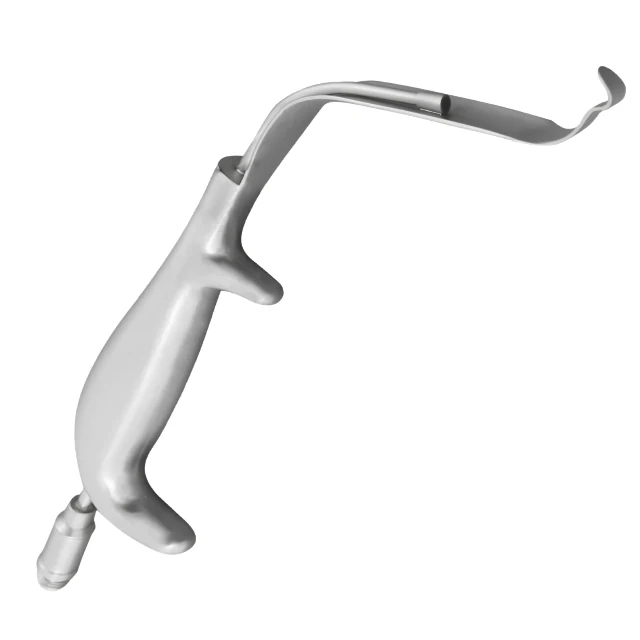


Aveți nevoie de depărtătoare chirurgicale sau de componente?
Spuneți-ne de ce aveți nevoie, precizând produsul, configurația, cantitatea și țara de destinație. Retractor Maker vă poate oferi informații despre disponibilitate, specificații și prețuri.
Solicitați o ofertă