
General Surgery Retractors
Denis Browne Retractor: Uses, Design & Buying Guide
작성자: Saad Shahid · 업데이트 · 7 분 소요

Explore the Denis Browne retractor: surgical uses, ring design, blade selection, positioning, sterilization, and ordering options from Retractor.
이 가이드에서 다루는 견인기: Denis-Browne 견인기. 모든 수술용 견인기 보기.
The denis browne retractor is a self-retaining ring system that displaces soft tissue and wound margins to maintain exposure during abdominal, pelvic, and pediatric surgery. Listed by Retractor Maker as the Denis-Browne Retractor, it combines a circular perimeter frame with interchangeable blades secured around the incision. Its purpose is to maintain a hands-free visual corridor while supporting visceral retraction for abdominal and pelvic exposure. For surgeons, operating room staff, and buyers, the main considerations are tissue requirements, blade selection, secure positioning, and validated reprocessing before use.
What Is a Denis Browne Retractor?
The Denis Browne retractor is a ring-based exposure system rather than a single handheld retractor. Its self-retaining arrangement holds positioned blades along a circular frame, providing 360-degree radial displacement of soft tissue and wound margins. This lets the surgical team establish retraction around the operative opening instead of relying solely on individual instruments held by assistants.
Self-retaining does not mean that the instrument can be left unmonitored. Exposure and tissue pressure still require assessment throughout the procedure, particularly after changes in patient position or operative depth. The useful distinction is that the system maintains the selected retraction without continuous manual holding. Clinical judgment remains necessary to determine whether the exposure is adequate and whether the tissues tolerate the applied traction.
What Is the Denis Browne Retractor Used For?
The listed uses include abdominal, pelvic, and pediatric surgery, with applications in laparotomy and pediatric abdominal and pelvic operations. The system supports visceral retraction and displacement of wound margins to help maintain a visual corridor into the operative field. Its suitability for an individual case depends on the incision, anatomy, and exposure required.
- General surgery: abdominal exposure, including laparotomy.
- Obstetrics and gynecology: exposure during abdominal and pelvic operations.
- Urology: abdominal and pelvic exposure where ring-based retraction is appropriate.
- Pediatric surgery: abdominal and pelvic operations requiring carefully selected tissue retraction.
These applications describe the catalogue scope, not an assurance that the same setup fits every patient or procedure. Pediatric use especially requires attention to the available operative space and tissue vulnerability. The operating surgeon should select the system and its blades according to the exposure needed, avoiding unnecessary displacement of surrounding structures.
How Do the Frame, Blades, and Locks Work?
The circular perimeter frame supports interchangeable shallow and deep tissue blades with curved tips. Quick-slide pin locks secure the blades along the frame, allowing surgeons to position them around the incision. Together, these parts establish and maintain the direction of retraction at selected points around the operative opening.
Shallow blades accommodate delicate tissue layers, while deep blades accommodate bulky tissues and abdominal walls. Blade depth should therefore be matched to the tissue being retracted rather than treated as an interchangeable preference. Curved tips are part of the listed blade design; their placement still needs direct visualization and assessment of the underlying tissue.
The system is handcrafted from Premium Grade AISI 304/316 Stainless Steel (Non-Magnetic) and has an anti-glare satin matte finish. These are the catalogue material and finish specifications. They do not replace the need for inspection, appropriate cleaning, and manufacturer-directed sterilization throughout the instrument's service life.
What Types and Blade Options Are Listed?
The supplied catalogue information lists one Denis-Browne Retractor system, with shallow and deep interchangeable blade options. It does not identify separate product models or provide frame dimensions, blade measurements, or component counts. The comparison below distinguishes the complete product from its listed blade options without presenting those components as separate catalogue products.
| Name or listed option | Design | Typical use |
|---|---|---|
| Denis-Browne Retractor — complete system | Self-retaining circular perimeter frame, interchangeable curved-tip blades, and quick-slide pin locks | Abdominal, pelvic, and pediatric exposure, including visceral retraction |
| Shallow blades — option within the system | Interchangeable shallow tissue blades with curved tips | Retraction of delicate tissue layers |
| Deep blades — option within the system | Interchangeable deep tissue blades with curved tips | Retraction of bulky tissues and abdominal walls |
For procurement, confirm the exact set contents instead of assuming that every available blade configuration is included. Ask for the frame dimensions and blade specifications needed by your service. If replacing components in an existing system, obtain compatibility confirmation before ordering; a shared instrument name alone does not establish interchangeability.
How Is a Denis Browne Retractor Positioned?
A trained surgical team positions the frame and selects blade locations to provide exposure while limiting unnecessary tissue pressure. The following principles are general considerations, not a substitute for the manufacturer's instructions or supervised surgical training. Positioning must reflect the patient's anatomy, operative approach, and tissues requiring retraction.
- Inspect the frame, blades, and locking mechanisms before use, and verify that the set has completed the required reprocessing.
- Select shallow or deep blades according to the tissues requiring retraction and the planned operative exposure.
- Position blade tips under direct visualization, protecting adjacent structures from unintended compression or entrapment.
- Secure the blades using the quick-slide pin locks and check stability before relying on the self-retaining arrangement.
- Reassess tissue pressure and exposure during the procedure, adjusting or releasing retraction when clinically appropriate.
Use only the retraction necessary for the operative task. If visibility remains inadequate, reassess blade placement and the overall exposure plan rather than simply increasing traction. A stable frame is useful only when its blades maintain appropriate contact without placing avoidable stress on vulnerable tissues.
How Should It Be Cleaned and Sterilized?
The Denis-Browne Retractor is supplied non-sterile and is fully autoclavable. It requires cleaning and sterilization before clinical use, including before its first procedure. Protective shipping packaging should not be mistaken for a sterile barrier or evidence that the instrument is ready for the operating room.
Follow the manufacturer's validated reprocessing instructions and your facility's sterile processing procedures. Cleaning must precede sterilization, with attention to blade connections and locking areas where residue may remain. Disassembly, detergent selection, rinsing, drying, and inspection should follow the applicable instructions rather than a generic instrument-cleaning recipe.
The catalogue does not specify an autoclave cycle, exposure time, or temperature. Obtain those instructions before introducing the set into service. After cleaning, inspect the instrument for residual soil, damage, and locking problems. Instruments with unresolved cleanliness or mechanical concerns should not proceed to clinical use until assessed under facility procedures.
How Do You Choose and Order from Retractor Maker?
Choose the system by matching the intended procedures, tissue depth, and operative space to the confirmed set specifications. Surgeons should review exposure requirements, while operating room and sterile processing teams assess handling and reprocessing needs. Buyers should request a documented component list, dimensions, reprocessing instructions, and any required purchasing documentation before approving an order.
Retractor Maker manufactures the Denis-Browne Retractor in Sialkot, Pakistan, and supplies it as a complete set in protective packaging. Wholesale, OEM, and distributor orders are available, with worldwide shipping. Request a quote for your hospital, surgical facility, or distribution business, specifying the intended applications, required quantity, and destination. For OEM enquiries, confirm the proposed specifications and scope directly rather than assuming particular customization options are available.
임상 사용 시 유의사항: 이 가이드는 수술팀 및 병원 구매 담당자를 위한 자료입니다. 임상 사용 전에는 반드시 제조사의 사용 설명서 (IFU)와 해당 병원의 멸균 지침을 준수하십시오.
자주 묻는 질문
What is a Denis Browne retractor?
A Denis Browne retractor is a self-retaining ring system used for abdominal, pelvic, and pediatric surgical exposure. It uses a circular perimeter frame and interchangeable curved-tip blades to displace soft tissue and wound margins. Quick-slide pin locks hold the blades around the incision, maintaining a hands-free visual corridor that still requires ongoing clinical monitoring.
What surgeries use the Denis Browne retractor?
The Denis Browne retractor is used in abdominal, pelvic, and pediatric surgery, including laparotomy. The catalogue identifies general surgery, obstetrics and gynecology, and urology as relevant specialties. Selection for a particular operation depends on the required exposure, patient anatomy, and blade suitability rather than the specialty name alone.
Is the Denis Browne retractor self-retaining?
The Denis Browne retractor is a self-retaining system that holds selected blade positions without continuous manual holding. Its quick-slide pin locks secure blades along the circular frame. This arrangement supports sustained exposure, but the surgical team must continue checking stability, tissue pressure, and blade contact as the procedure progresses.
What is the difference between shallow and deep blades?
Shallow blades accommodate delicate tissue layers, while deep blades accommodate bulky tissues and abdominal walls. Both are listed as interchangeable tissue blades with curved tips within the Denis-Browne system. The catalogue does not provide their measurements, so buyers should request blade specifications and confirm the contents of the complete set before ordering.
Can the Denis Browne retractor be autoclaved?
The Denis-Browne Retractor is fully autoclavable and is supplied non-sterile. It must be cleaned and sterilized before clinical use according to the manufacturer's validated instructions and facility procedures. Because the catalogue does not state cycle parameters, sterile processing teams should obtain the applicable instructions rather than assume a temperature or exposure time.
Where can hospitals buy a Denis Browne retractor?
Hospitals can request the Denis-Browne Retractor from Retractor Maker, its manufacturer in Sialkot, Pakistan. The system is supplied as a complete set in protective packaging, with wholesale, OEM, distributor orders, and worldwide shipping available. Buyers should confirm set contents, dimensions, reprocessing documentation, and delivery arrangements when requesting a quote.
작성자 소개
Saad Shahid · 영업 및 마케팅 책임자
사드 샤히드는 2023년 파키스탄 시알코트에서 설립된 Retractor Maker의 창립자이자 영업 및 마케팅 책임자입니다. 또한 1989년에 설립된 가족 경영 수술 기구 업체인 Hospitech Traders에서 아버지와 함께 일하고 있습니다.
관련 블로그 및 가이드
관련 견인기

Brunner 견인기
부터 $54.00
Weitlaner 견인기
부터 $94.00

광섬유 조명 일체형 링 유방 견인기
$339
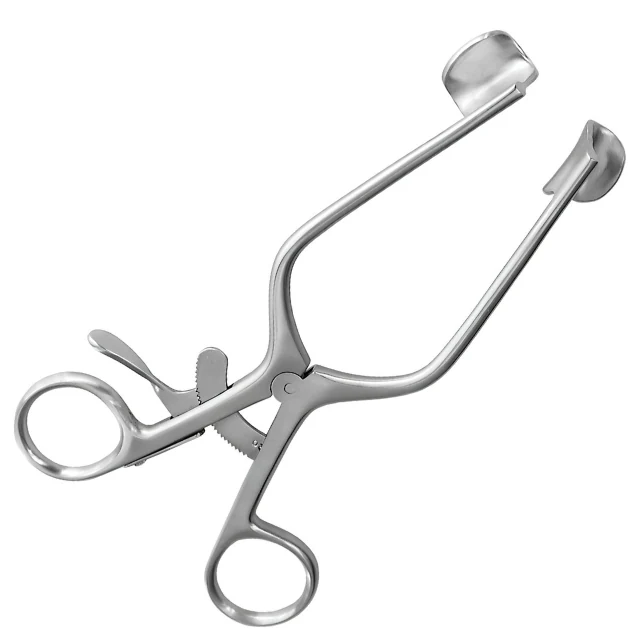
광폭 자가유지형 견인기
$139
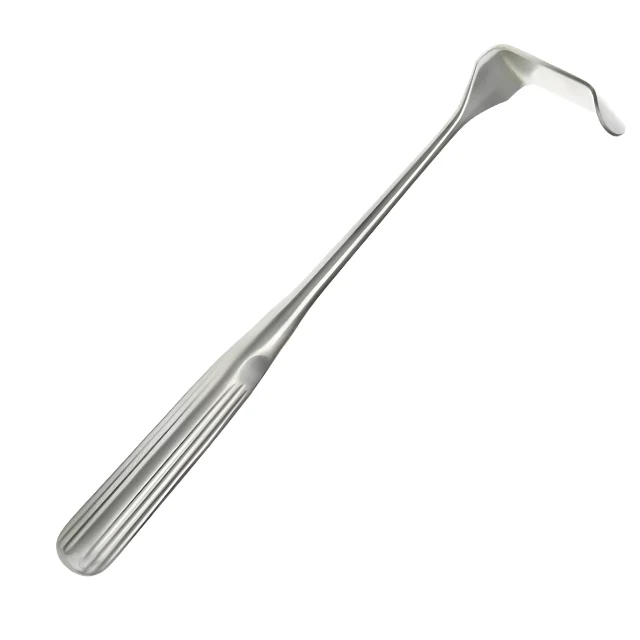
Sauerbruch 견인기
부터 $69.00
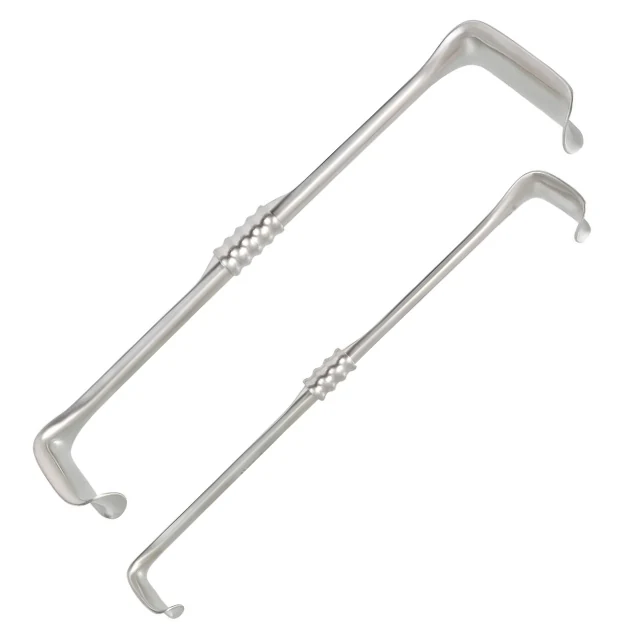
Richardson Eastman 견인기
부터 $54.00
수술용 견인기 또는 구성품이 필요하신가요?
제품, 구성, 수량 및 배송 국가를 포함하여 필요한 사항을 알려주세요. Retractor Maker에서 공급 가능 여부, 사양 및 가격을 안내해 드립니다.
견적 요청